Why This Set Matters
The Ultra Figus Marvel Hombre Arana album is universally listed by grading companies as a '1980' set — including CGC, which formally grades it as '1980 Ultra Figus Argentina Marvel Hombre Arana.' Based on our research, we believe the album was actually produced and released in 1984. The 1980 date appearing in some documentation refers to copyright registration or earlier licensing, not actual production. The set includes characters introduced as late as 1982–83.
CGC currently encapsulates Ultra Figus stickers with a '1980' year on the label. If our research is correct, this creates a potential issue: cards labeled as '1980' may actually be from 1984 — a four-year difference that affects historical significance and market comparables. This site documents the Ultra Figus set as 1984. If you own CGC-slabbed Ultra Figus stickers labeled 1980, the physical cards are genuine — only the year on the label may be inaccurate.
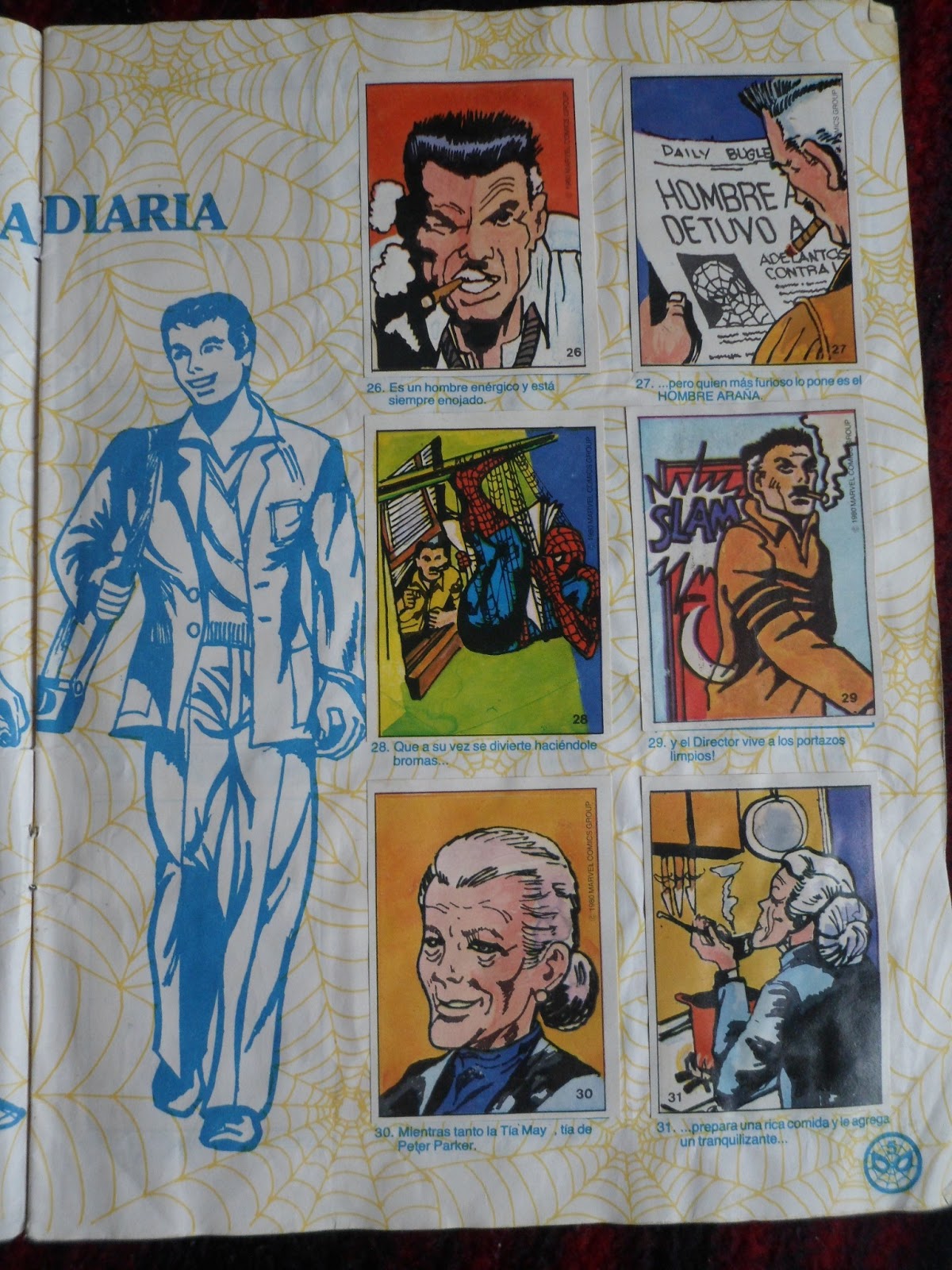
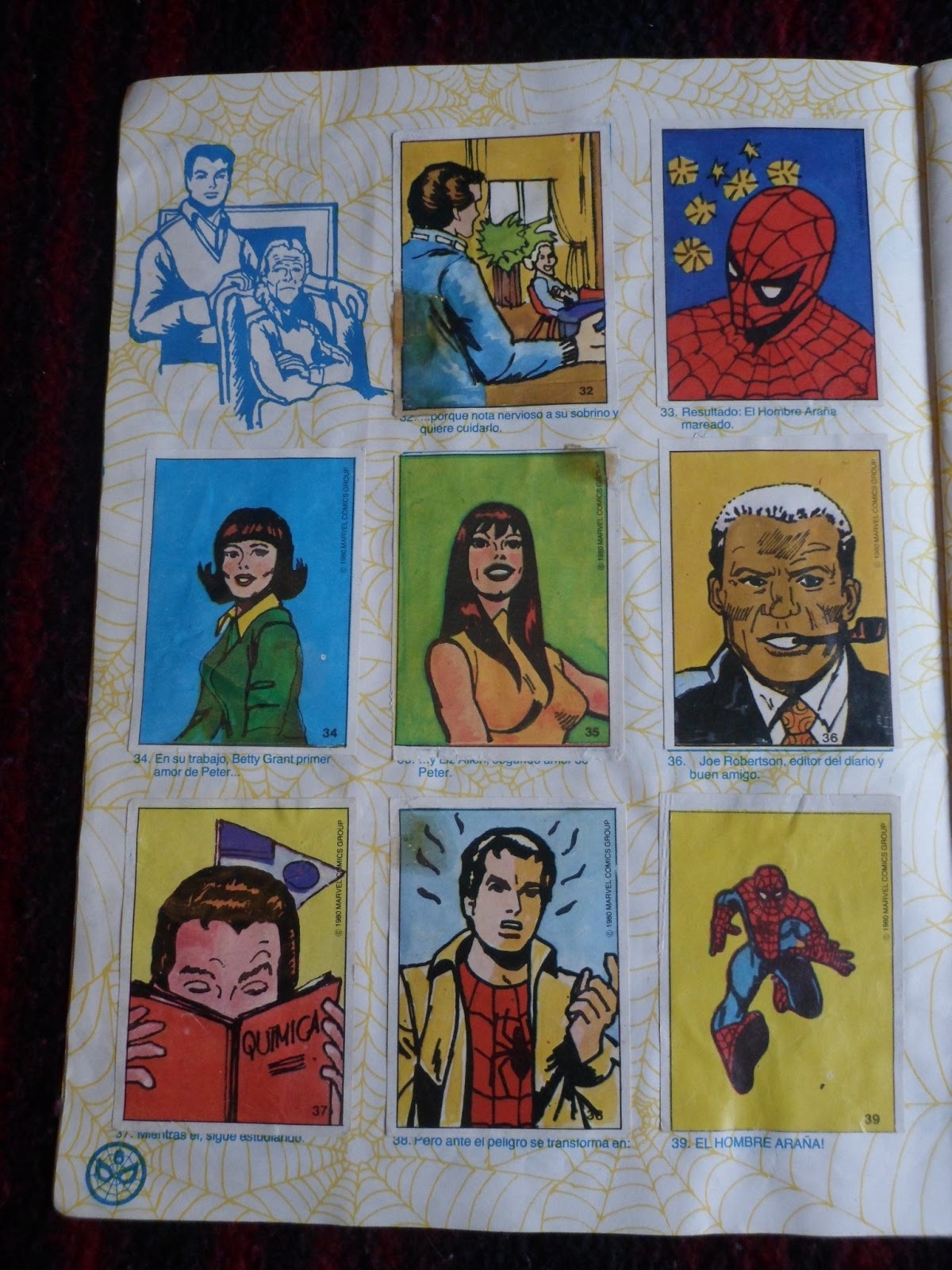
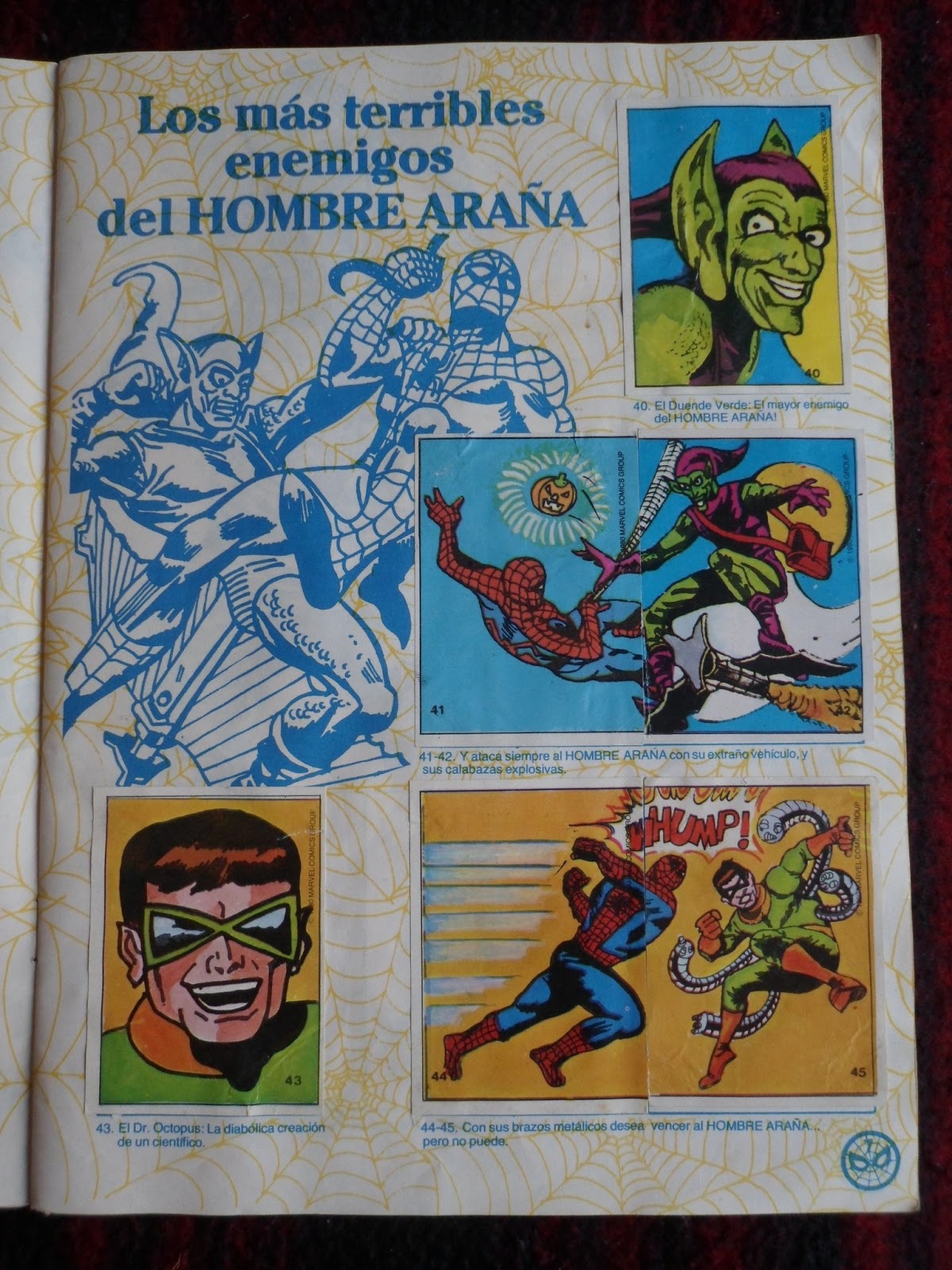
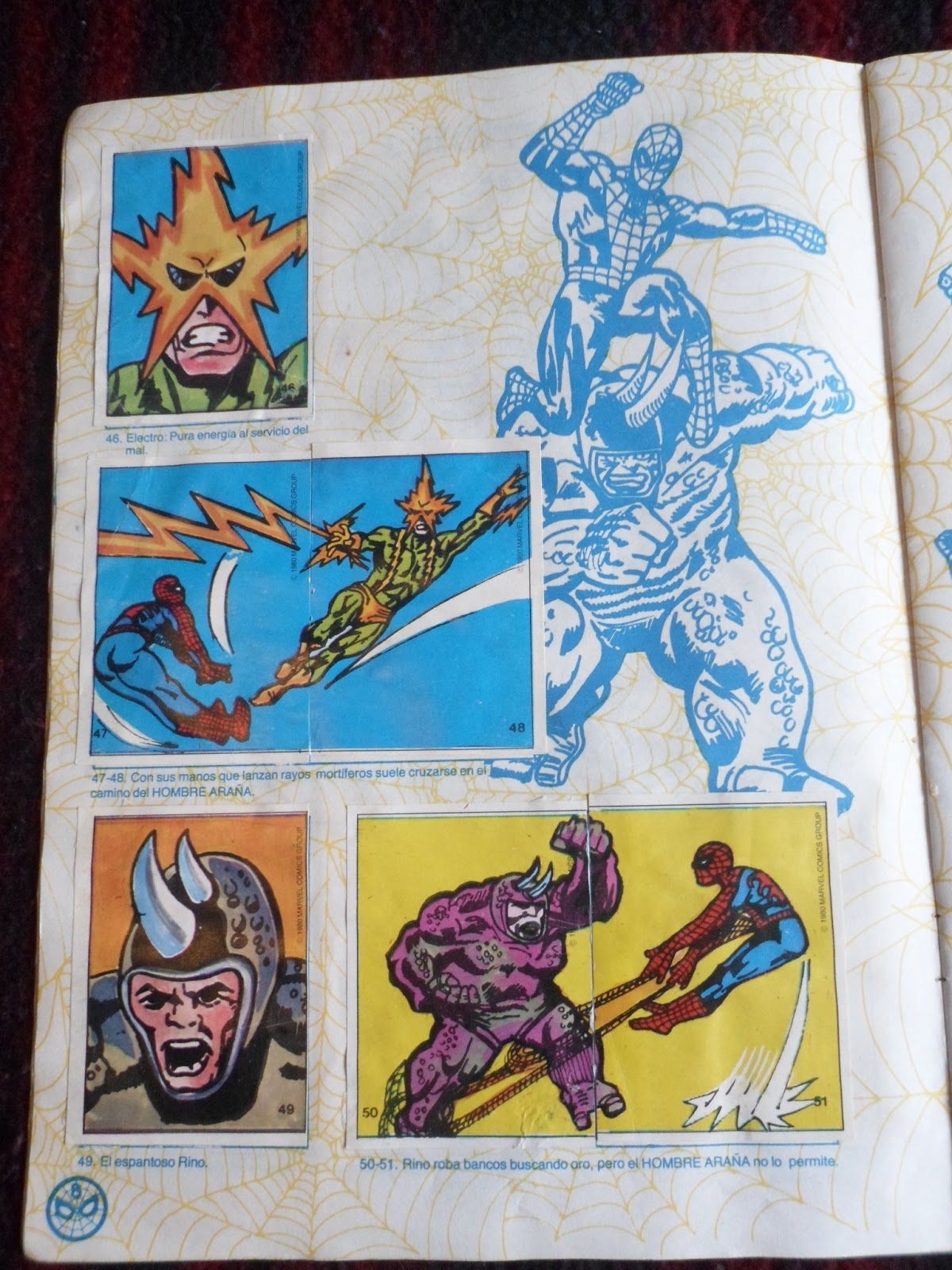
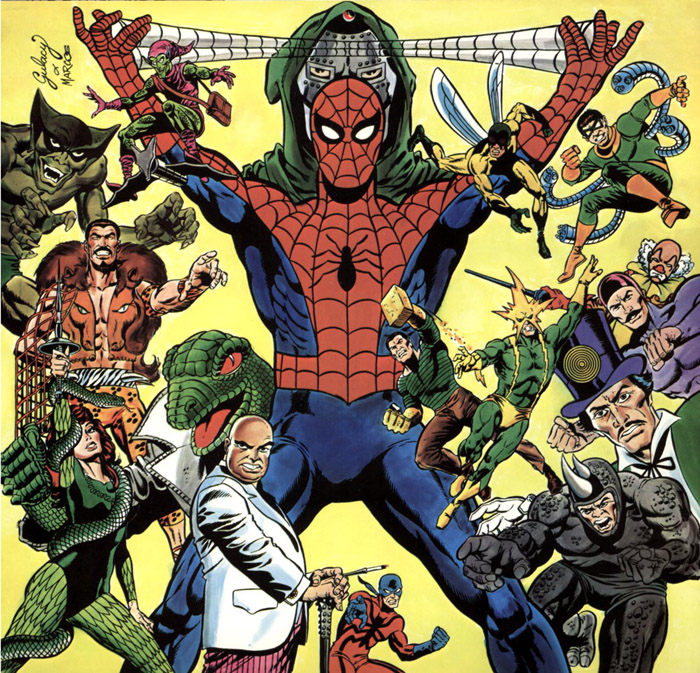
Despite its 'Hombre Arana' branding, the album's roster extends far beyond Spider-Man's world. The numbered stickers cover his full supporting cast — Betty Brant (#34), Mary Jane (#35), Aunt May (#30, #31), J. Jonah Jameson, Joseph Robertson — but also reach into the wider Marvel Universe with cosmic characters, Eternals-adjacent figures, and the Shi'ar Empire.
Sticker #183 features Thanos — his first trading card appearance. By 1984, Thanos had been absent from comics since his 'death' in Marvel Two-In-One Annual #2 (1977). His inclusion in this Argentine album, years before any US card manufacturer acknowledged him, reflects extraordinary editorial depth. The same applies to Pip the Troll (#185), Terrax (#184), and Starjammers members (#193, #194).
Beyond the numbered sticker sequence (running to at least 194), the album included special companion cards: 'Los Amigos' (Friends) cards and 'Los Enemigos' (Enemies) cards — featuring Professor X, Quicksilver, Lockjaw, and others in a separate format not part of the main numbered sequence. These companion cards are significantly rarer than the numbered stickers and represent some of the set's most important rookie appearances.
As of this writing, no Ultra Figus stickers appear in the PSA population report. A small number have been graded by CGC under the incorrect 1980 date, but no formal population report exists. These Argentine album stickers were designed to be glued into albums, not preserved — finding unglued examples in any condition is a challenge, and the grading infrastructure for this set simply does not exist yet.
Set Images
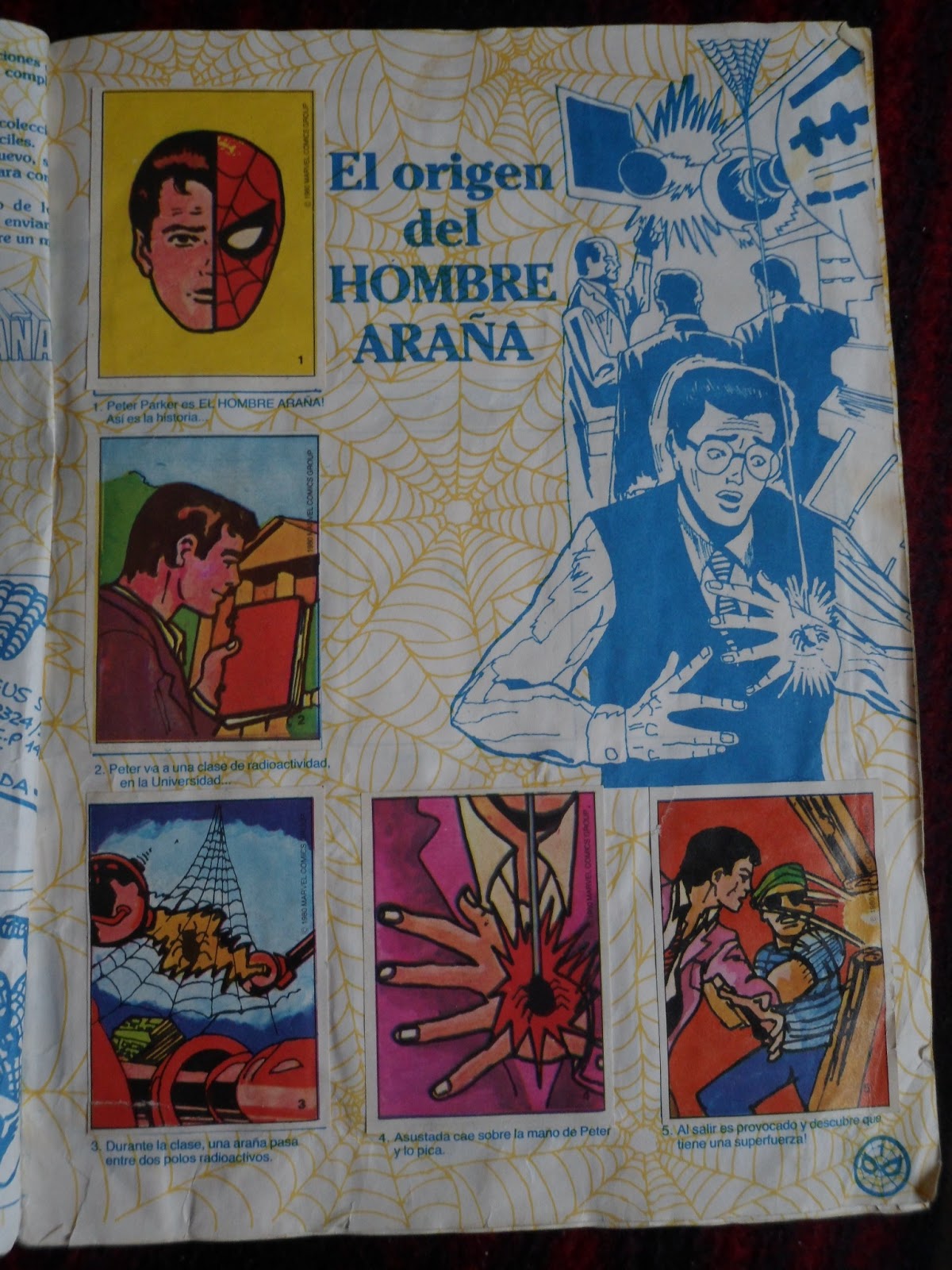
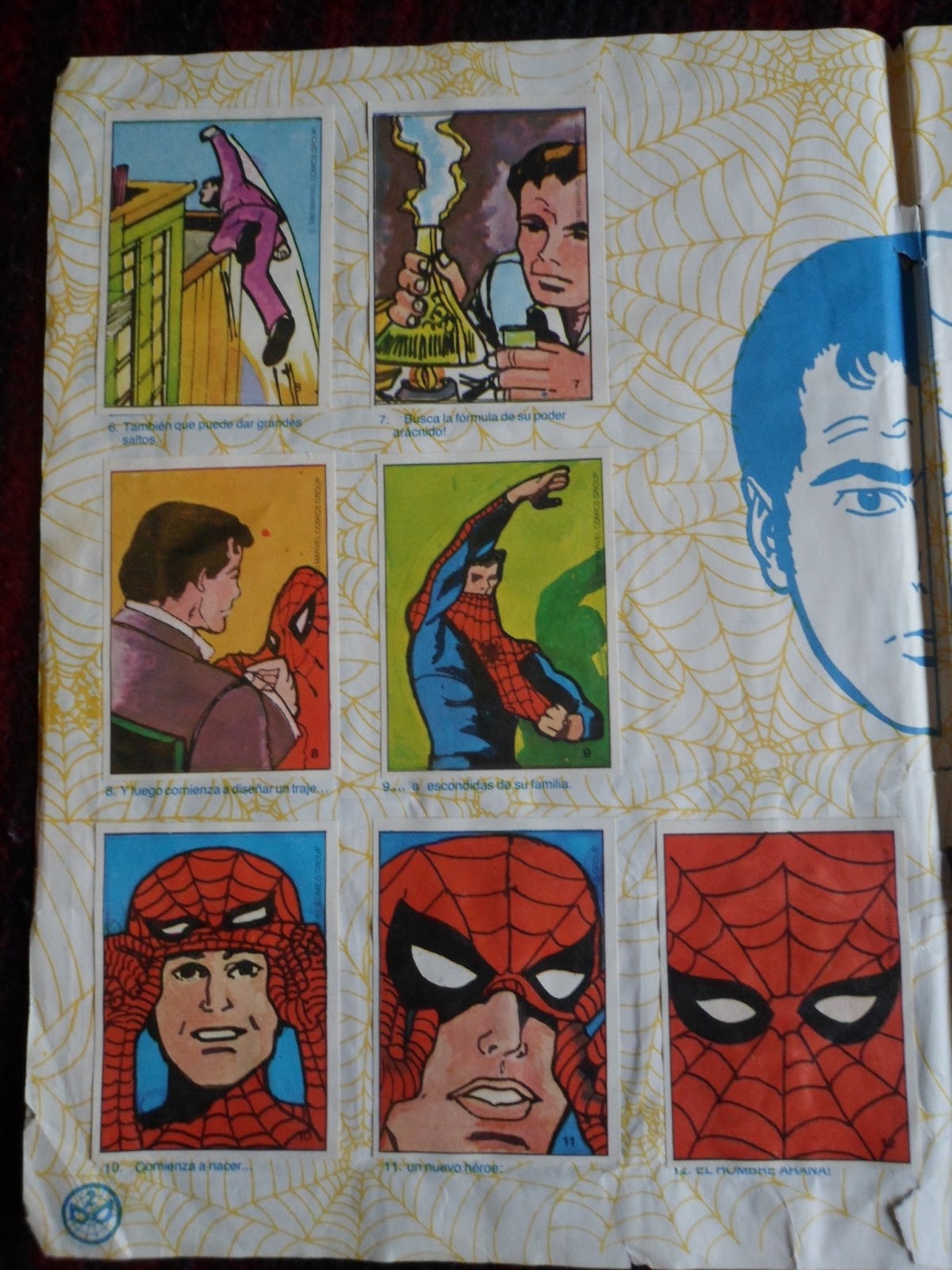
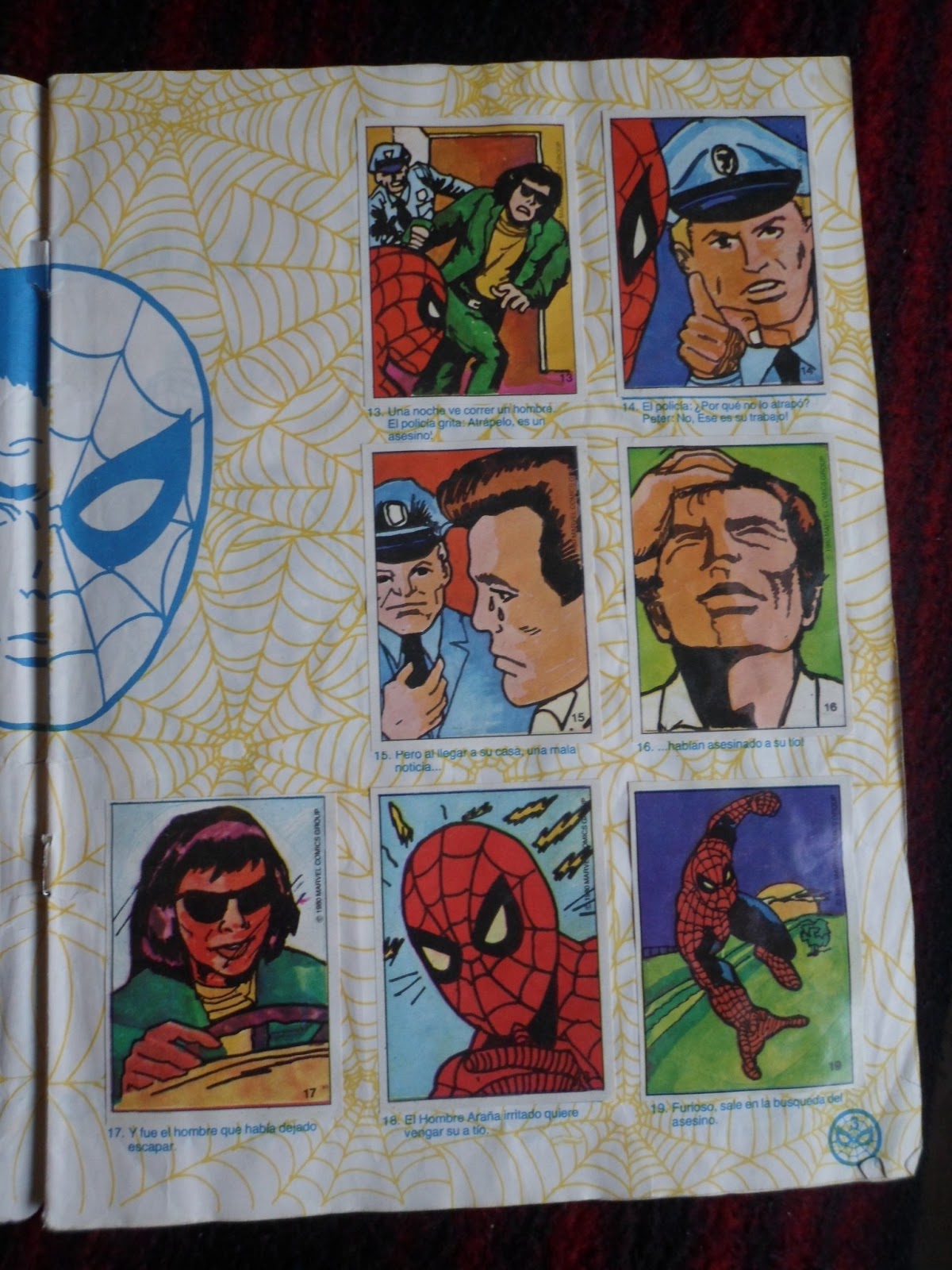
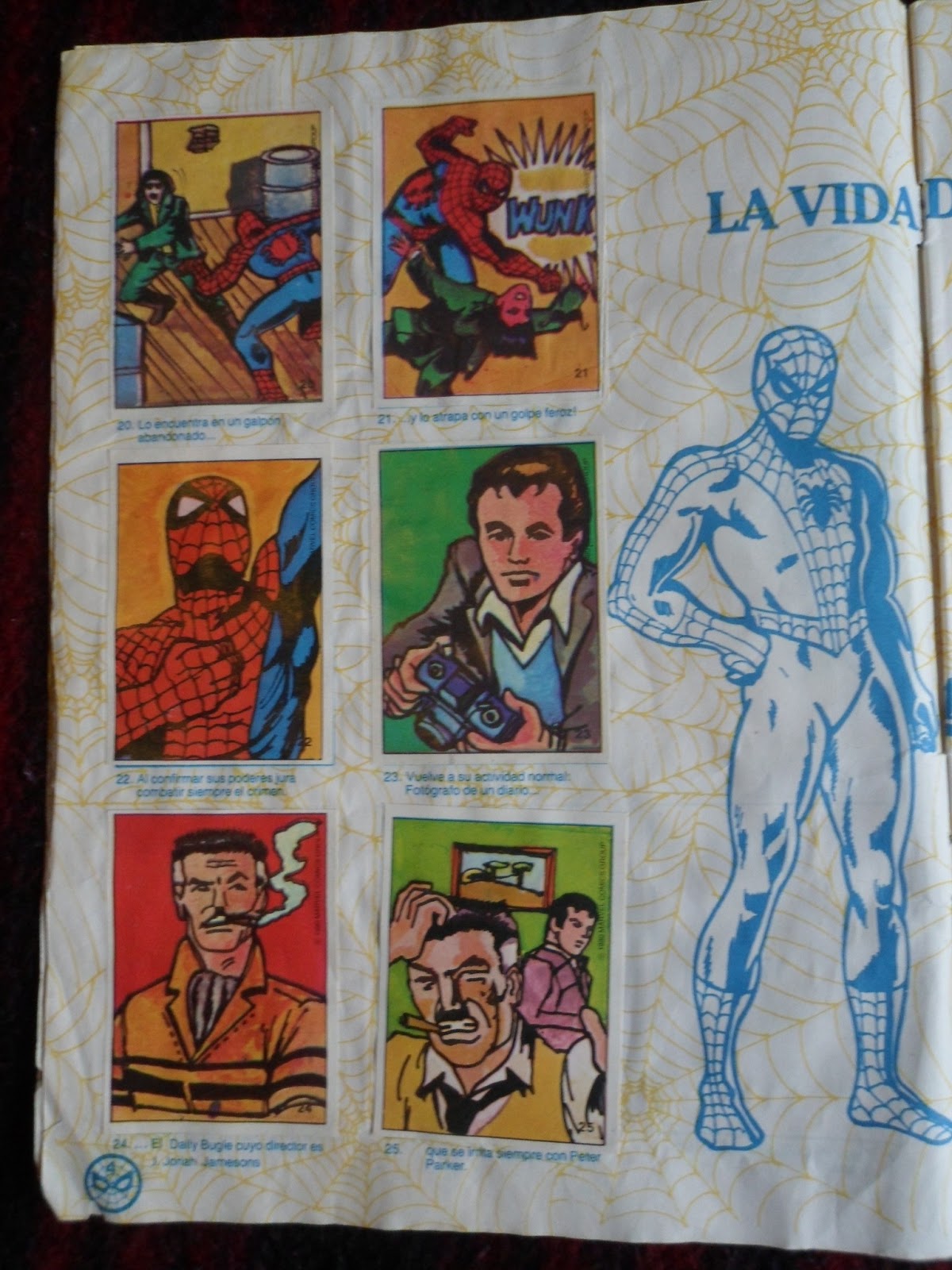
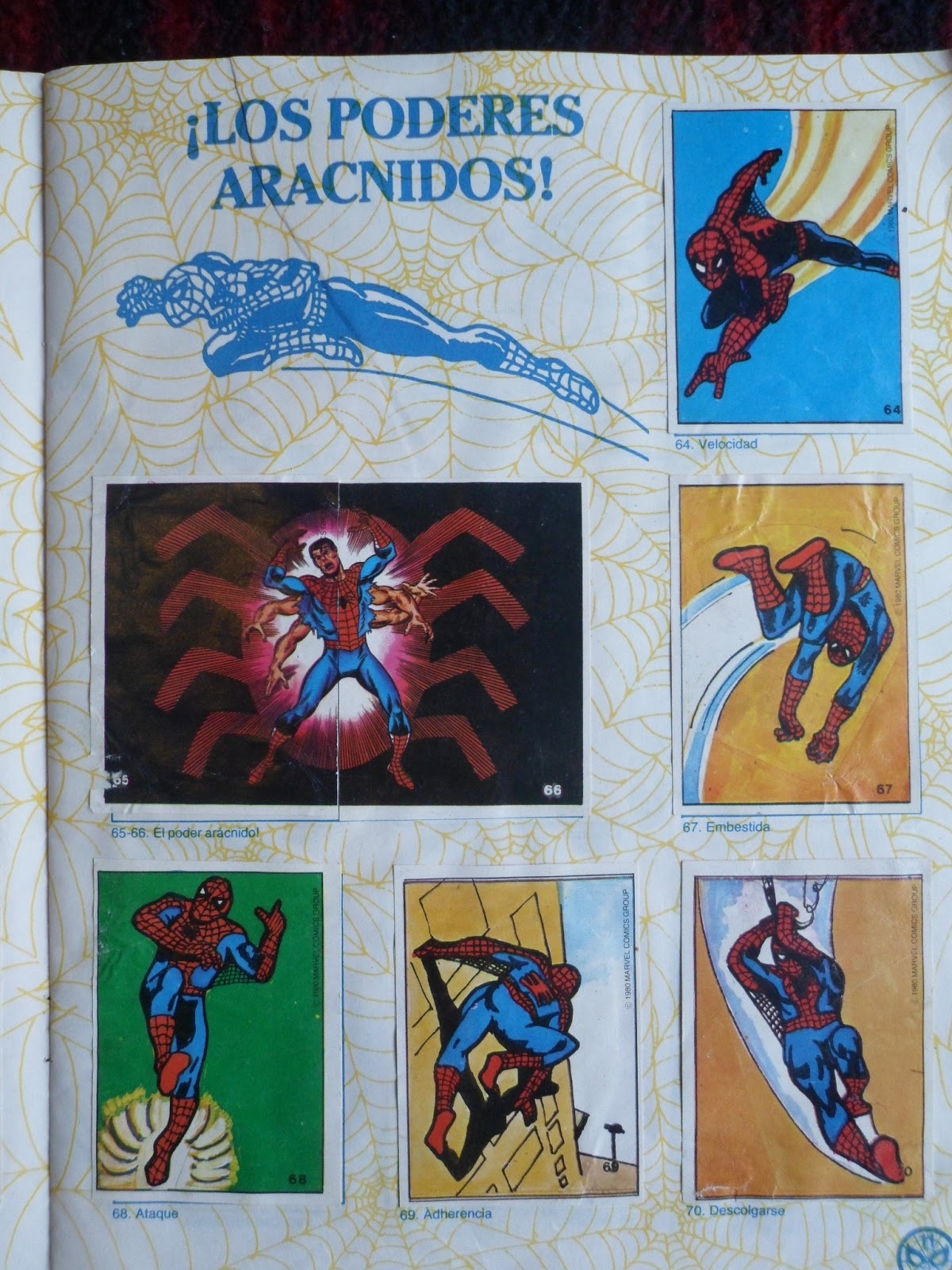
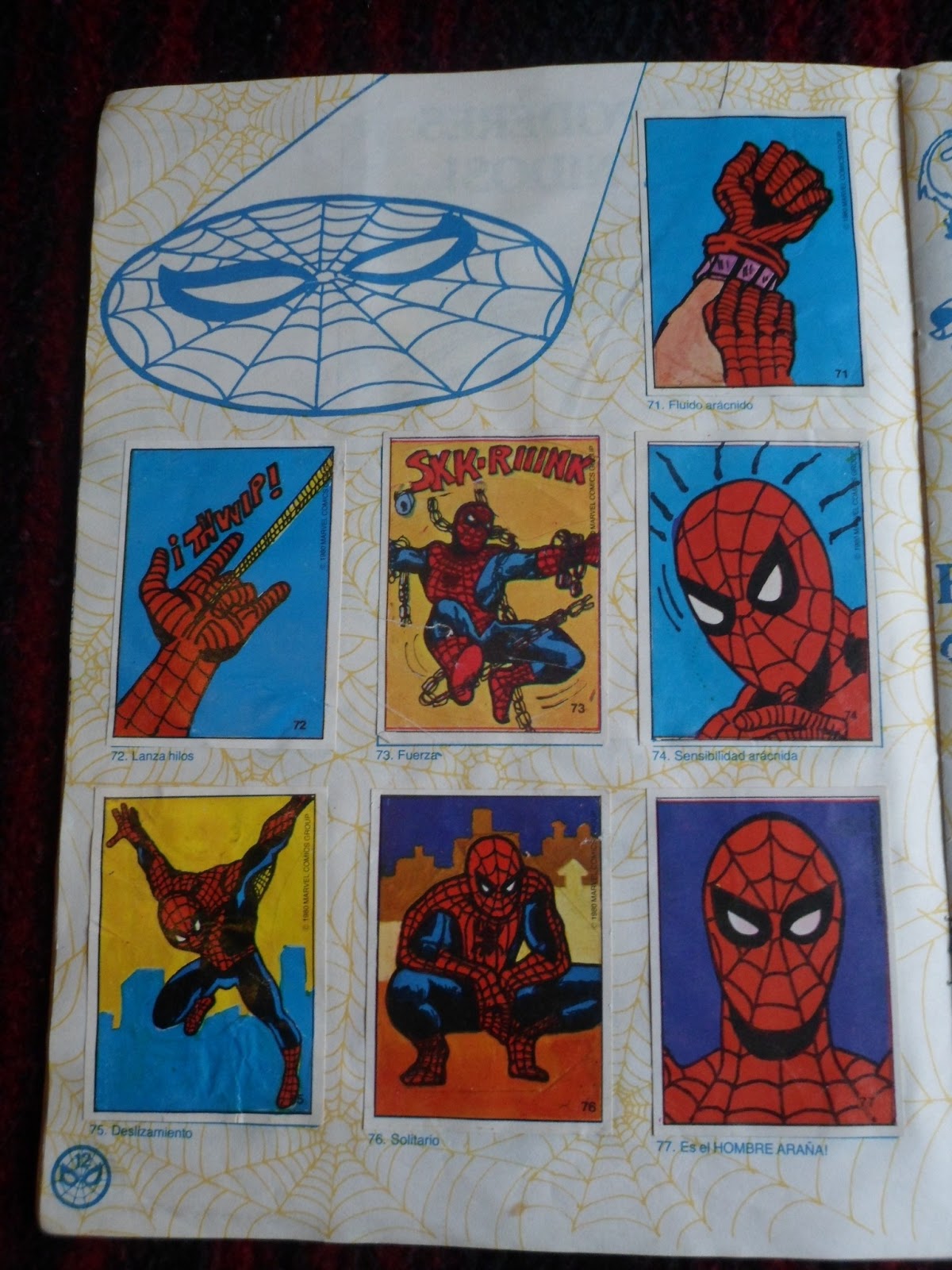
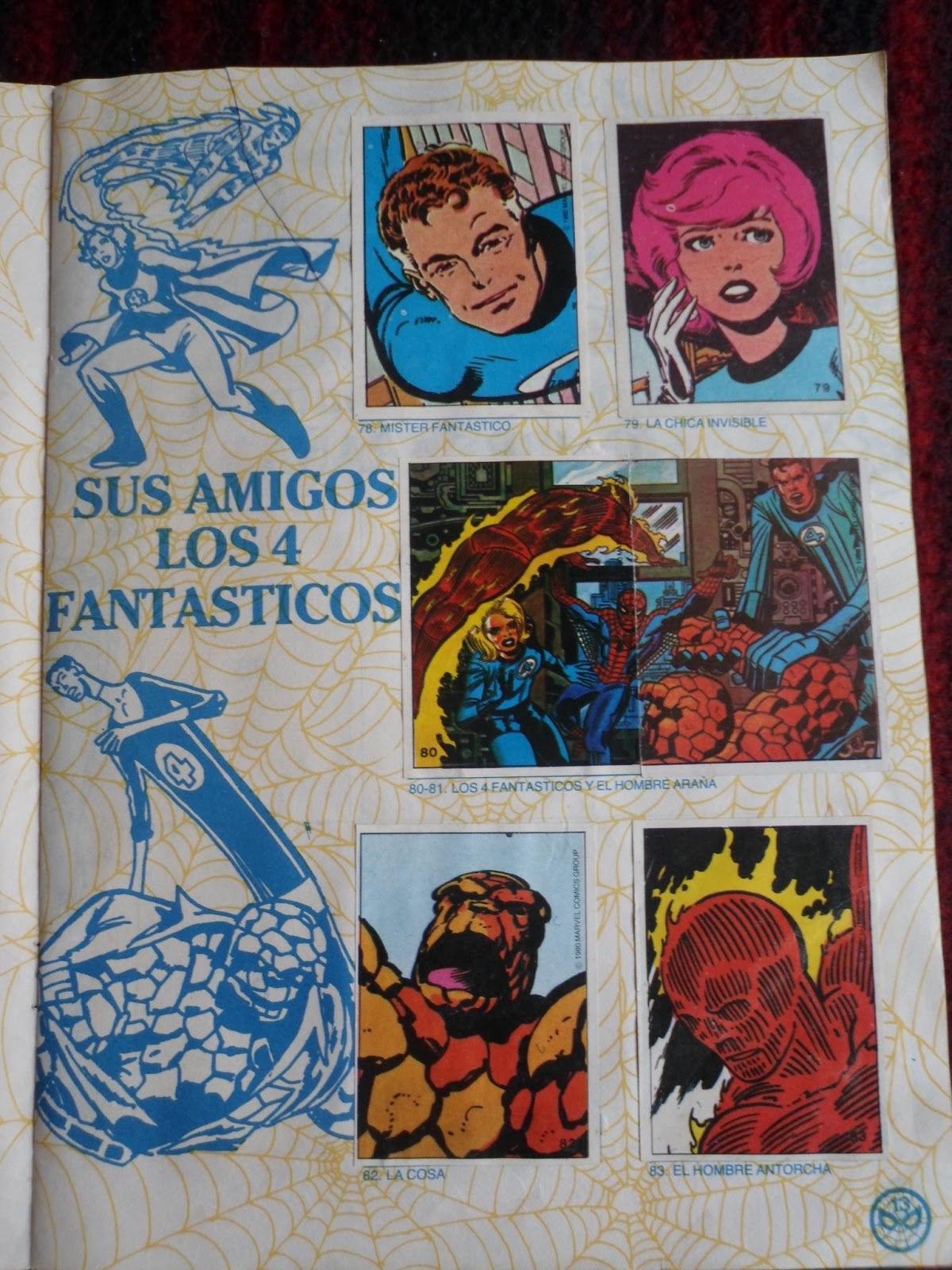
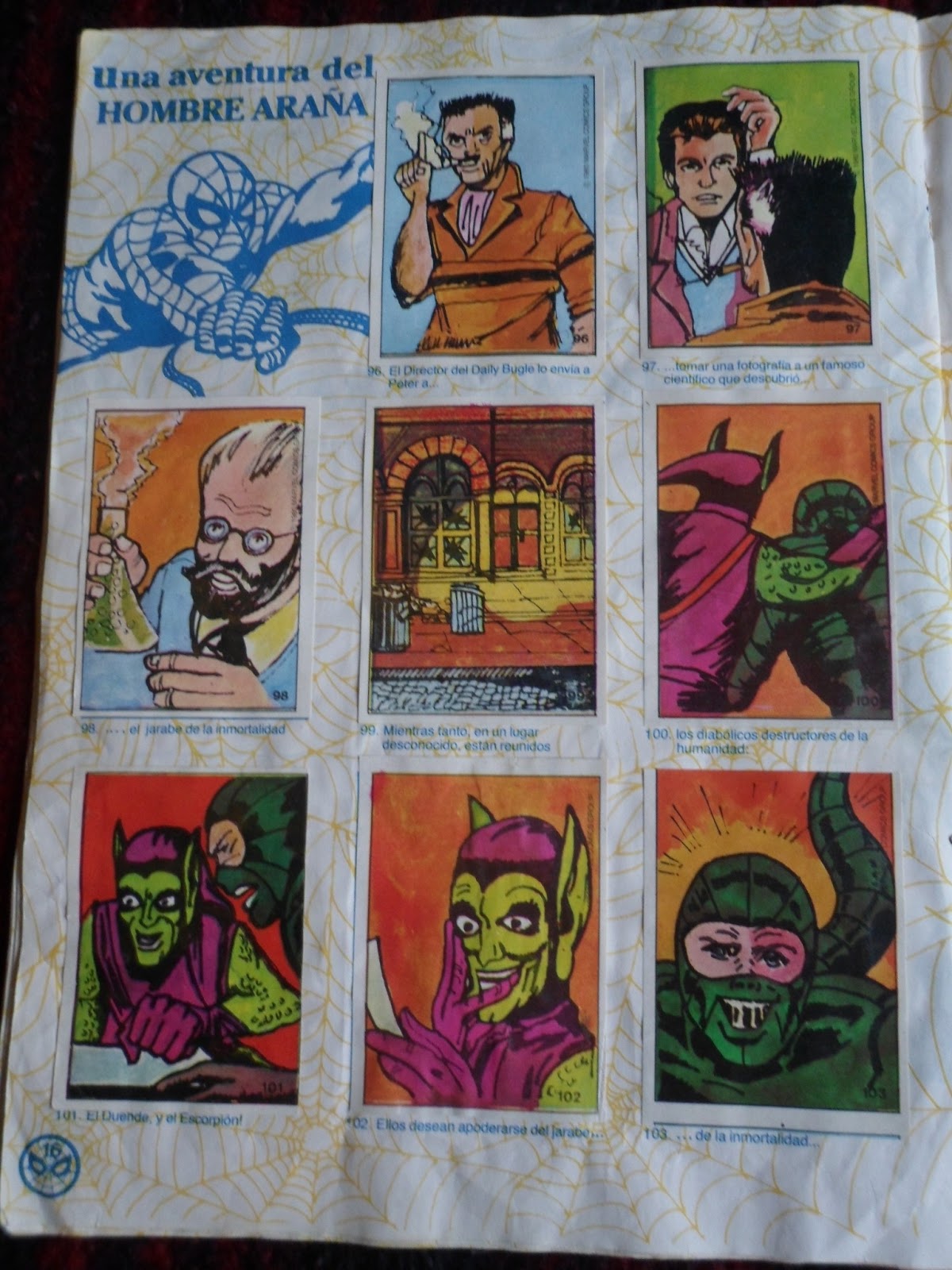
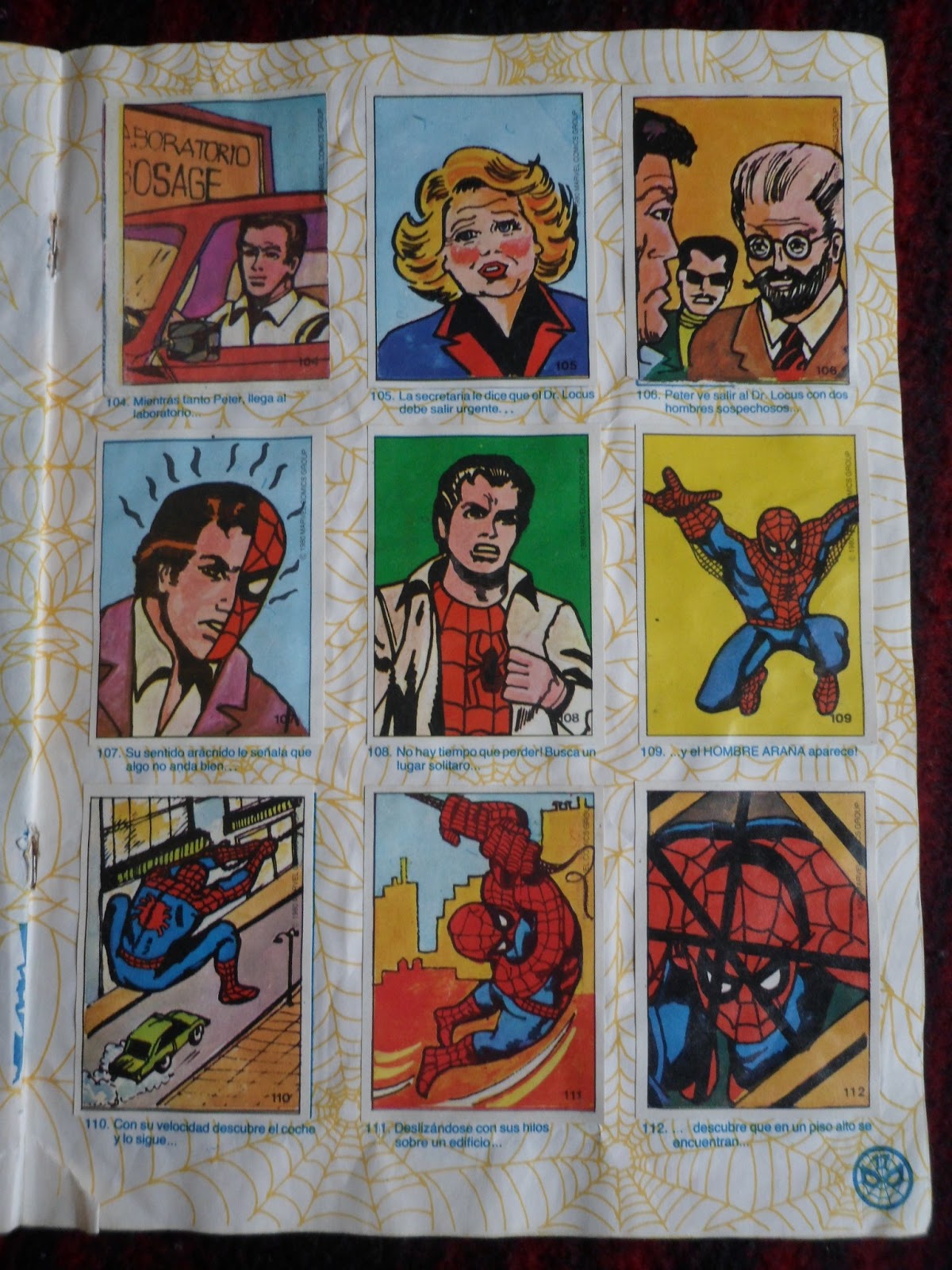
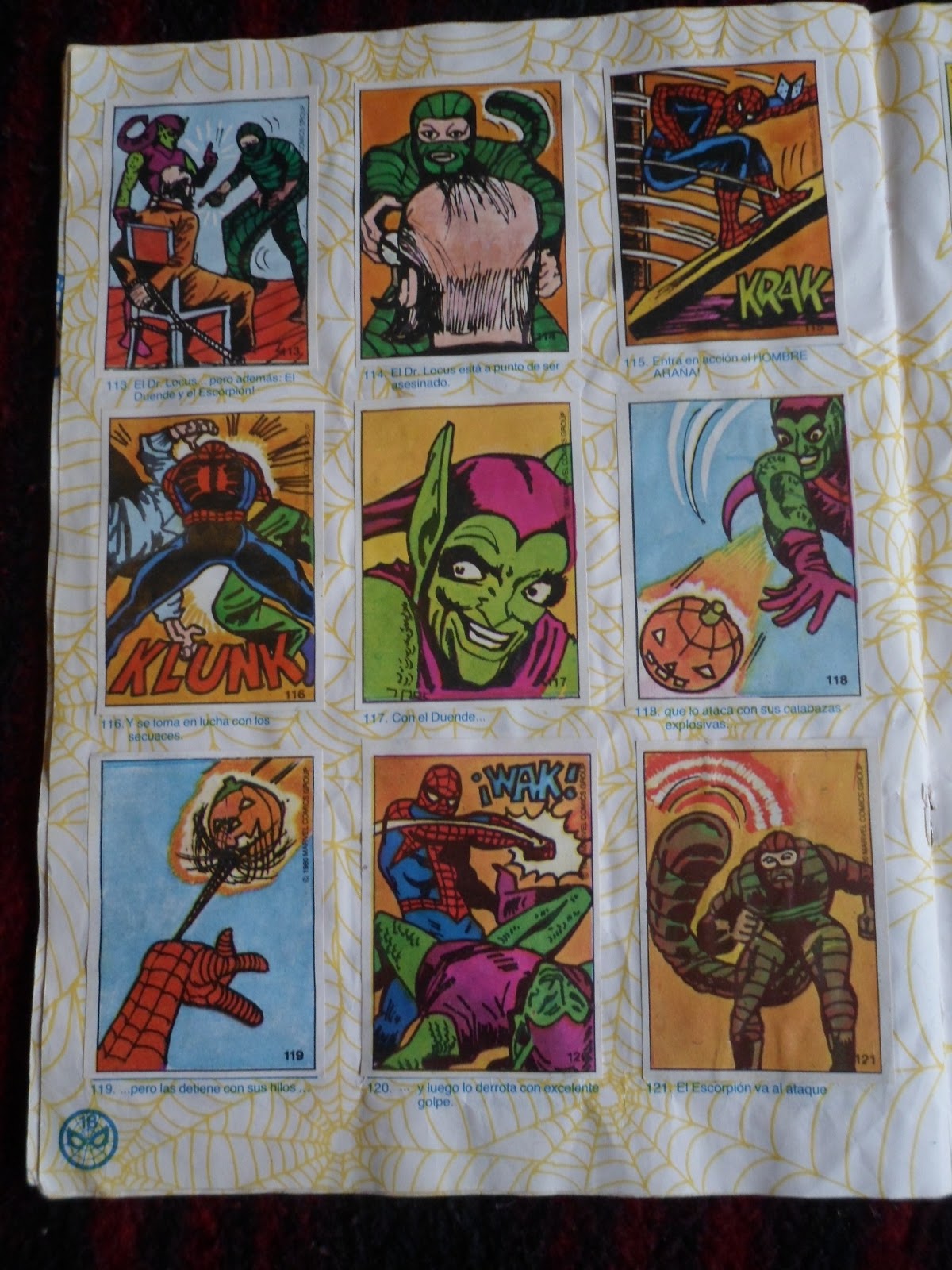
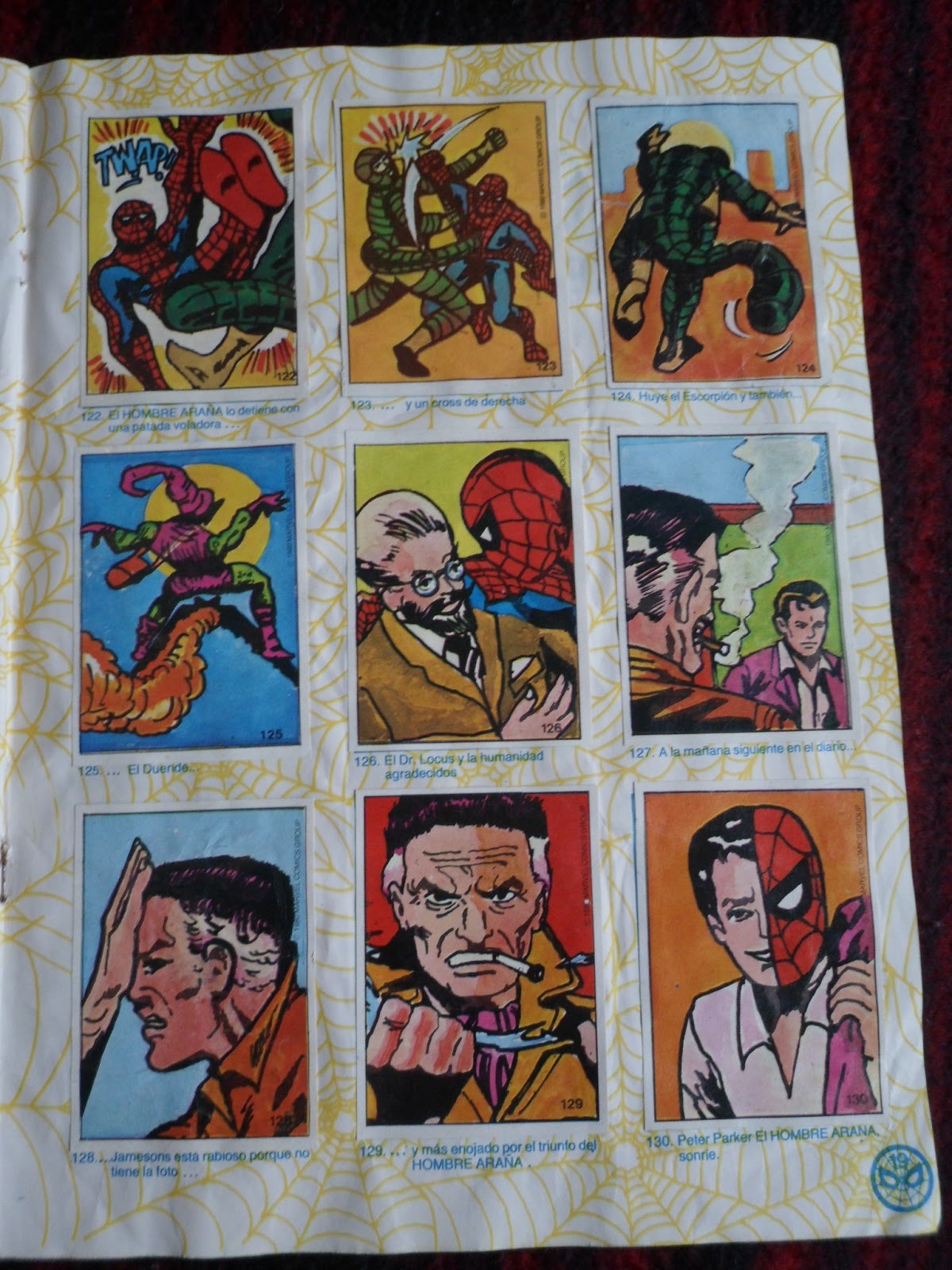
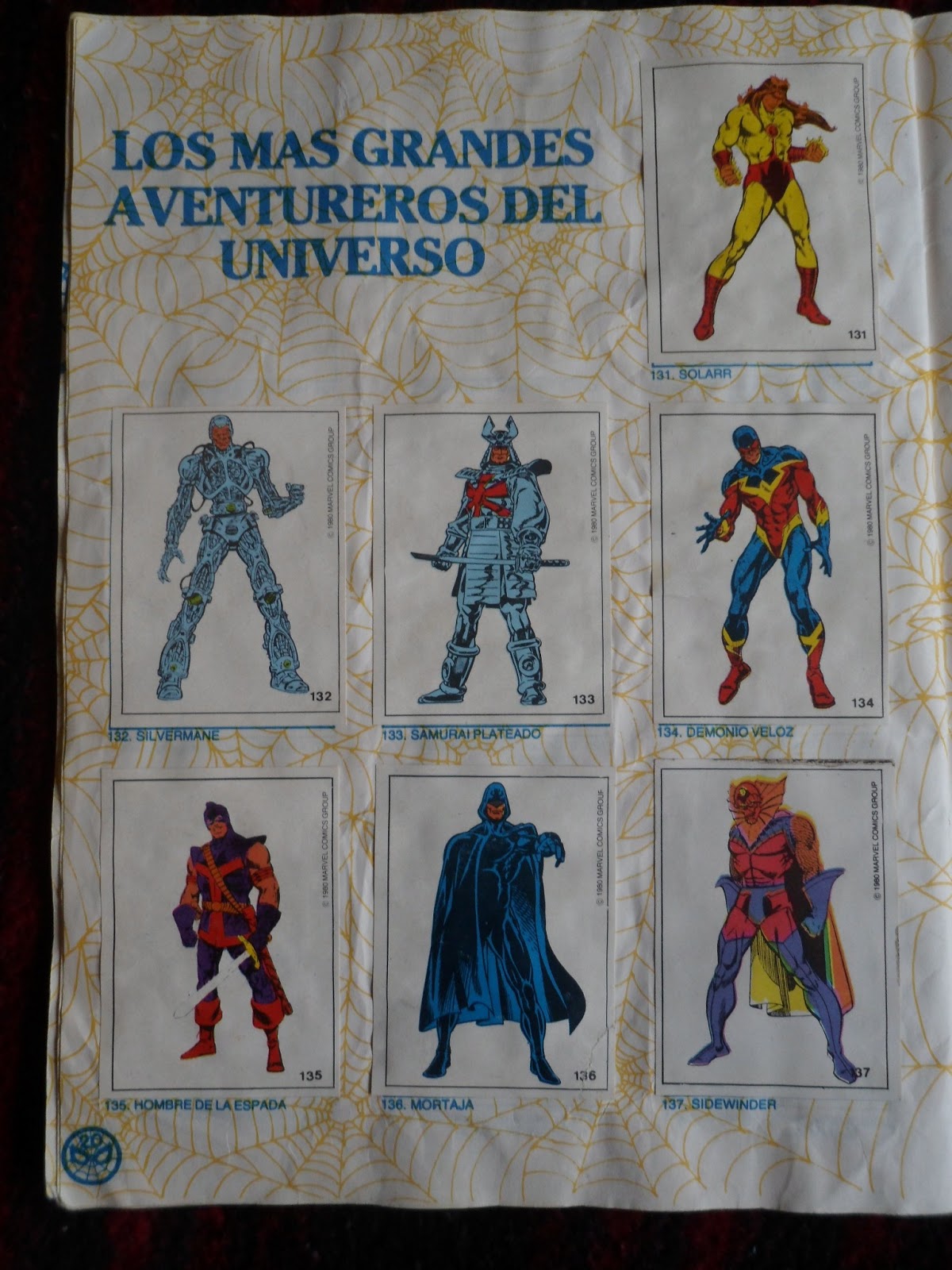
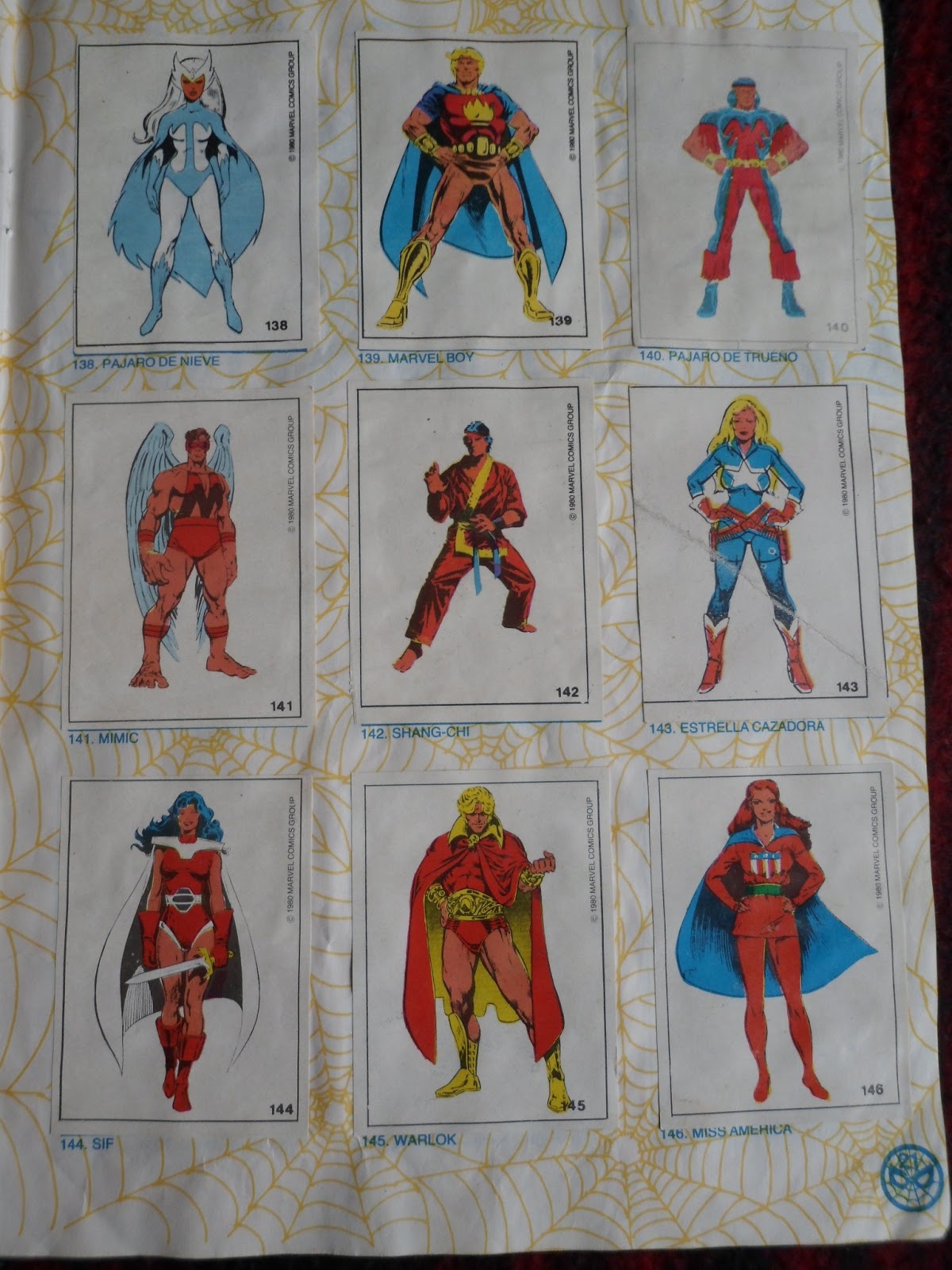
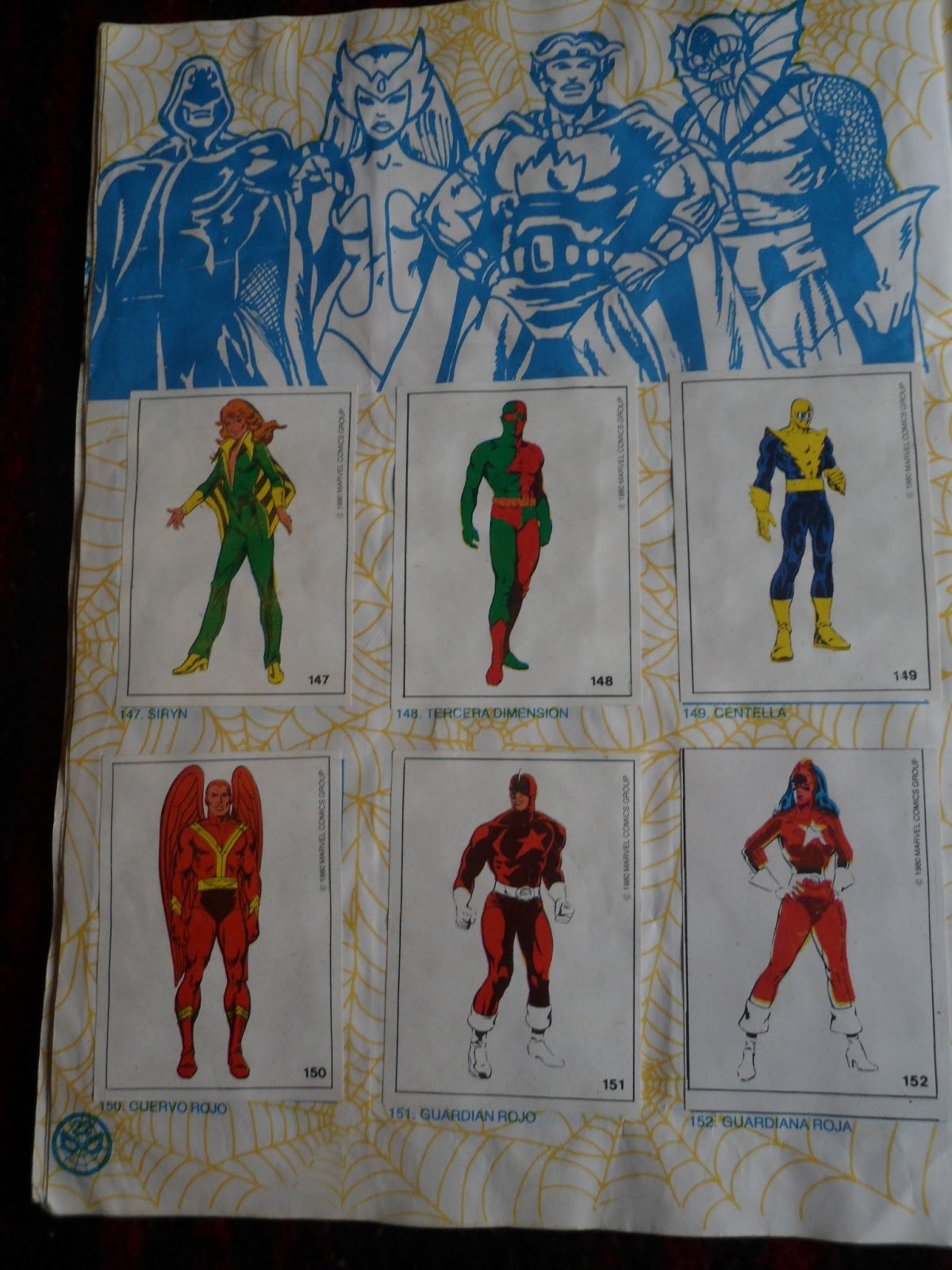
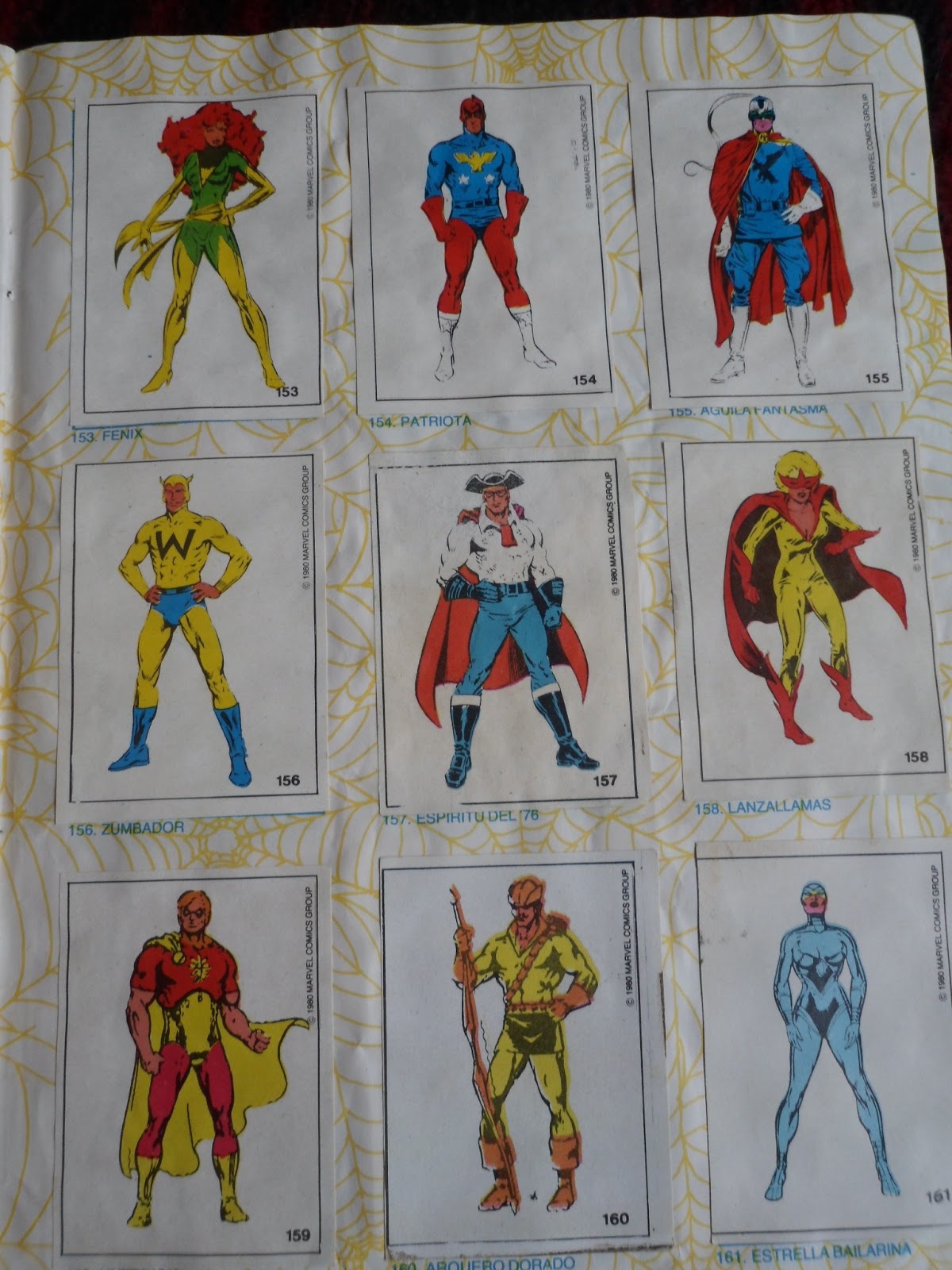
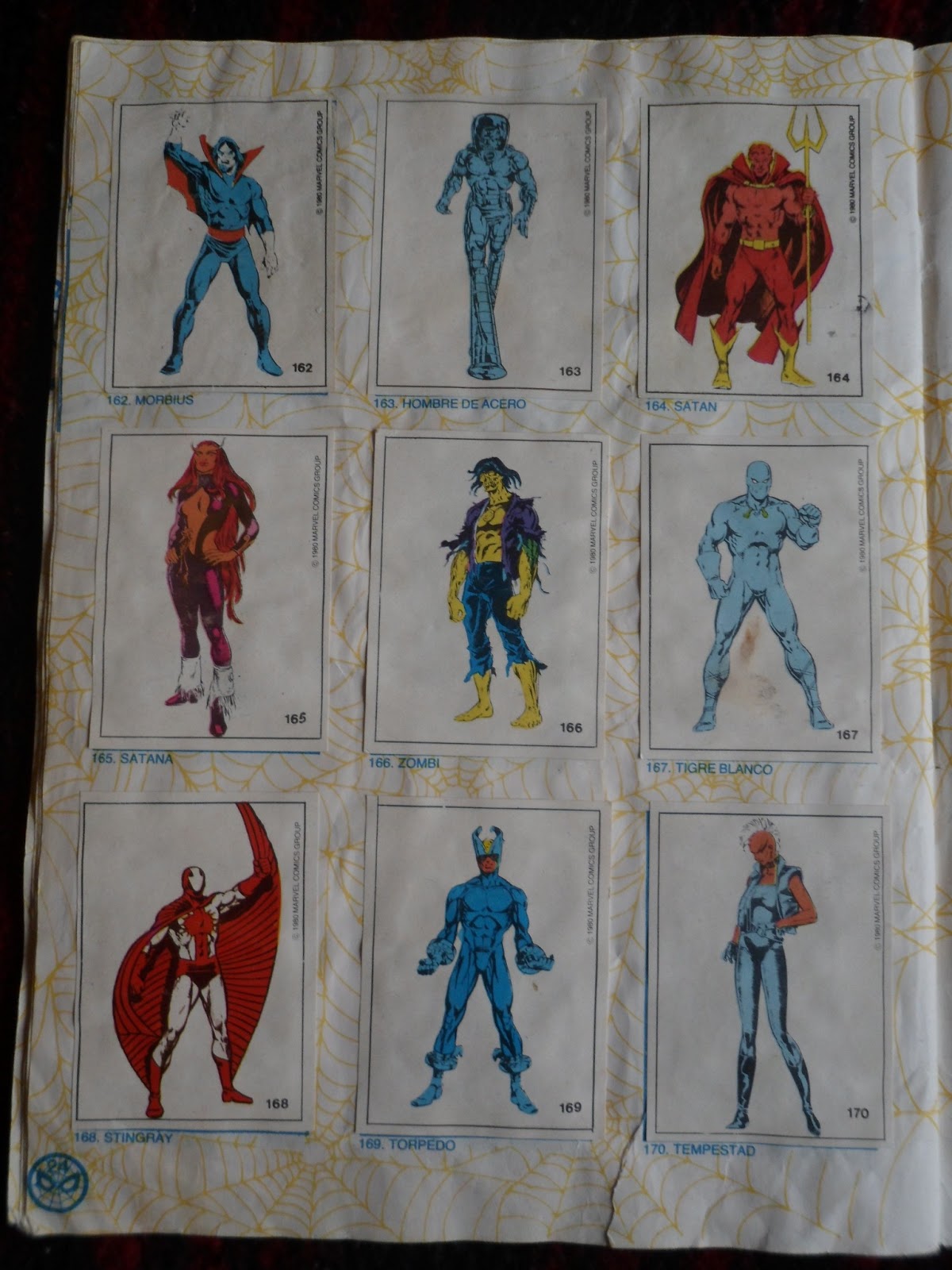
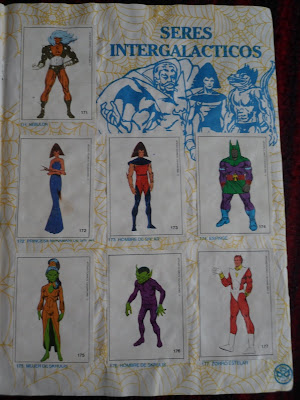
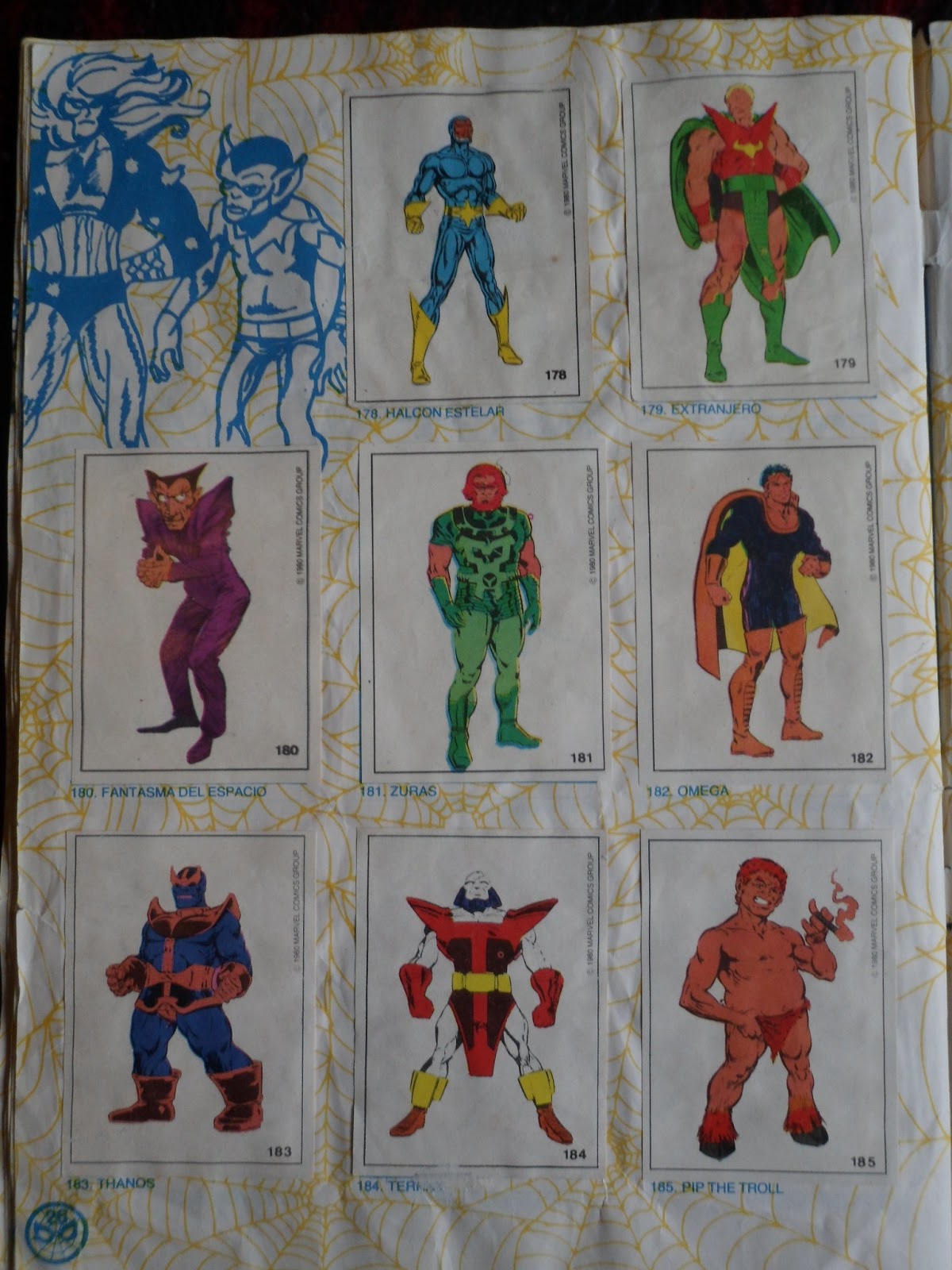
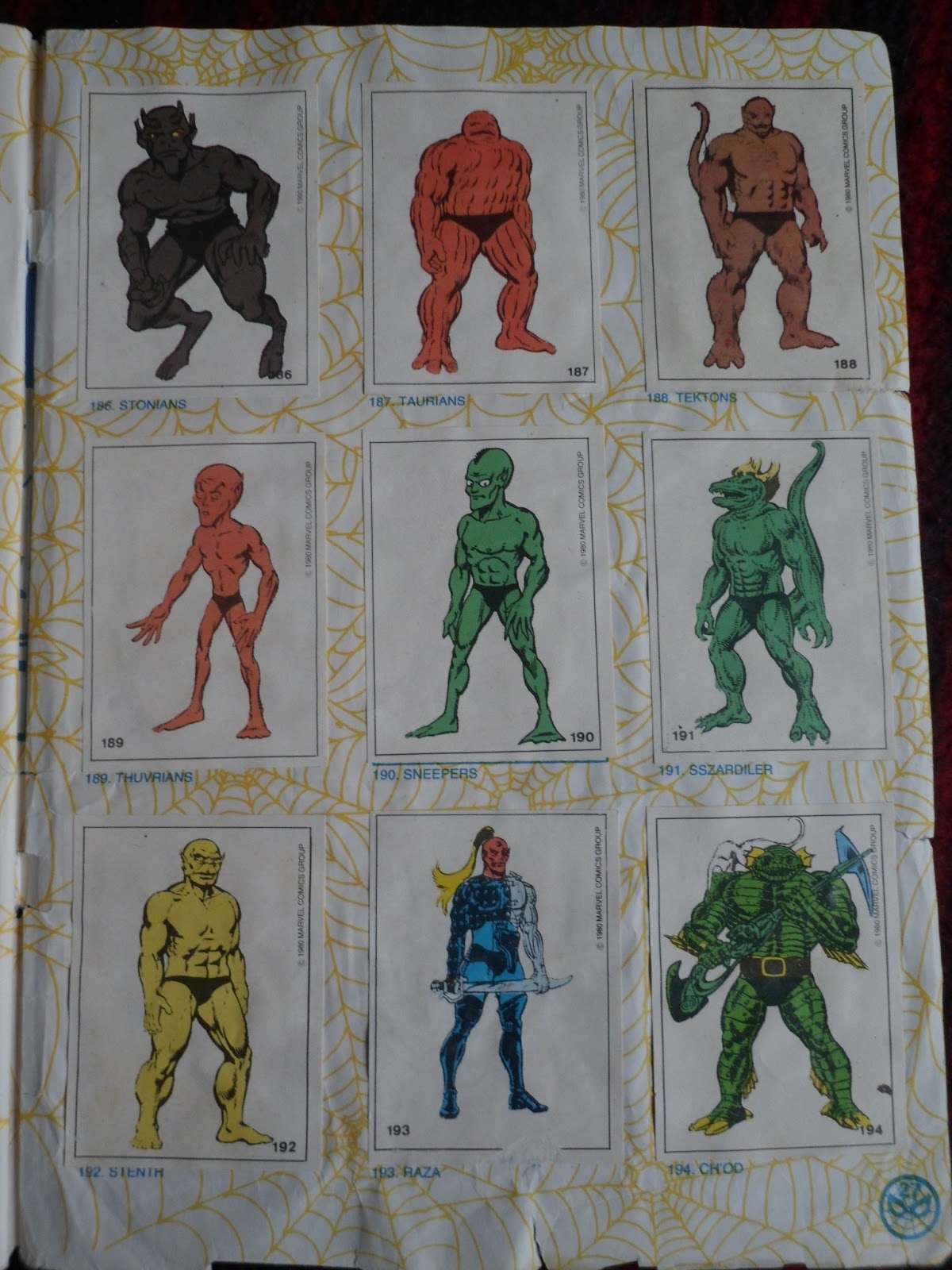
Deep Dive
The Ultra Figus Marvel Hombre Arana album is arguably the most Spider-Man-centric vintage collectible produced outside North America — and also, paradoxically, one of the most comprehensive surveys of the broader Marvel Universe ever assembled in album format.
The most important fact about this set for collectors is the year: it is a 1984 product, not 1980. The '1980' designation that appears in grading company databases is derived from a copyright date, not the actual production year. CGC's formal categorization of this set as '1980 Ultra Figus Argentina Marvel Hombre Arana' is an error that has been replicated across the secondary market, affecting pricing, historical narratives, and collector understanding of what these stickers actually are. A sticker set produced in 1984 featuring characters introduced in 1982–83 cannot logically be a 1980 product.
The album's title sets expectations that its contents then completely subvert. Yes, Spider-Man is central — his supporting cast, his rogues gallery, his neighborhood. But then the album expands into cosmic territory that has essentially nothing to do with Peter Parker: Thanos, Pip the Troll, Adam Warlock's allies, the Eternals, the Shi'ar Empire. Whoever assembled this roster was either an encyclopedic Marvel reader or had access to comprehensive Marvel character materials — probably both.
The companion card structure — Los Amigos (friends) and Los Enemigos (enemies) cards separate from the numbered sticker sequence — is a design innovation that no other album in this catalog attempted. These companion cards are significantly rarer than numbered stickers and represent some of the set's most important first card appearances.