Why This Set Matters
Donruss released this 66-card set in 1966 — the absolute origin point of Marvel trading cards. Six heroes, eleven cards each: Captain America (#1–11), Iron Man (#12–22), Daredevil (#23–33), Spider-Man (#34–44), the Hulk (#45–55), and Thor (#56–66). Card fronts used Silver Age panel art with gag captions; card backs assembled into a group portrait puzzle of all six heroes. Packs cost five cents for five cards and a stick of gum.
Fourteen cards across the set invited collectors to 'Write Your Own' caption — leaving the speech bubble intentionally blank. It was a clever marketing hook, but it created a condition catastrophe. Cards with ink filled in by children are essentially ungradeable, and because the invitation applied to cards including #3 Cap, #36 Spider-Man, and #65 Thor, high-grade survivors of those specific numbers are extraordinarily scarce.
PSA has documented only 30 total PSA 10 copies across the entire 66-card run. The centering tolerances of 1966 printing were extremely loose, bubble gum staining and wax pack contact damage are endemic, and rubber-band storage destroyed the top and bottom cards of every stored set. Card #1 (Cap) and card #66 (Thor) are the two rarest in high grade — a single PSA 9 exists of each.
Card #34 is officially the Spider-Man rookie — first card of the Spider-Man sub-series — but the artwork depicts both Spider-Man and the Human Torch together, with the caption 'Next time I'll fly the kite!' This site classifies #34 as the True Rookie for both characters. No dedicated Human Torch sub-series exists in the set, so whether #34 counts as his rookie is a genuine debate. While the card is catalogued under the Spider-Man section, both characters are clearly depicted. The Human Torch's next appearances — the 1967 Philadelphia stickers — are classified as First Solo.
The Thor sub-series (cards #56–66) contains card #61, which features Loki prominently in the artwork as a secondary figure — not as the card's named subject. Some sellers and grading companies have labeled #61 as the 'Loki Rookie.' Neither PSA nor CGC has formally assigned it a first appearance designation. This site classifies Loki's #61 as Unconfirmed Rookie. His 1975 Cropan sticker (#45) is his First Solo card, and his 1976 Topps stickers are his First English Solo appearance.
Much of the card artwork was adapted from existing Marvel comics — Ditko's Spider-Man panels, Kirby's Captain America, Hulk, and Thor, Wally Wood and Bobby Powell's Daredevil, and Don Heck's Iron Man. However, some cards feature artwork that does not cleanly match any known published comic page, suggesting Donruss may have commissioned original or adapted art for parts of the set. The exact sourcing of every card image has never been fully documented.
Deep Dive
The 1966 Donruss Marvel Super Heroes set is the Big Bang of Marvel trading cards — everything that followed traces its DNA back to these 66 pieces of cardboard.
The set's structure is brilliantly simple: six heroes, eleven cards each, with the card backs forming a giant assembled puzzle of the featured heroes. Rather than retelling comic book stories, Donruss wrote completely original gag captions — Captain America attends class parties, Spider-Man complains about fly paper. The gap between epic Silver Age artwork and absurd punchlines is exactly what makes these cards feel alive nearly sixty years later.
From a production standpoint, the artwork is a fascinating hybrid. Cards featuring Captain America, the Hulk, and Thor clearly draw on Kirby's dynamic panel compositions. The Daredevil section shows Wally Wood's clean, fluid line work. The Spider-Man cards have Ditko's unmistakable angularity. The Iron Man cards, attributed to Don Heck's era on that title, are less clearly sourced — some images don't match known published pages, suggesting possible original or adapted artwork was commissioned. This uncertainty has never been fully resolved by researchers.
Finding high-grade examples is a genuine challenge. The 30 total PSA 10 copies documented across the entire 66-card run is a staggeringly small number for a set that sold millions of packs. Between centering issues inherent to 1966 printing tolerances, bubble gum staining from pack contact, and the rubber-band storage that destroyed countless top and bottom cards, this set is legitimately condition-rare at the top of the grading scale.
| Card # | Characters | Format | |
|---|---|---|---|
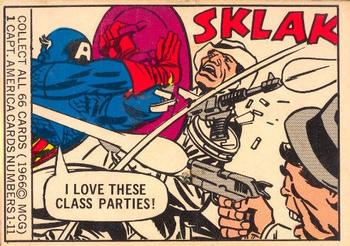 | #01 | Captain America True Rookie First English First Solo First Card | Card |
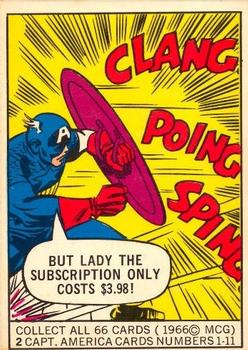 | #02 | Captain America True Rookie First English First Solo First Card | Card |
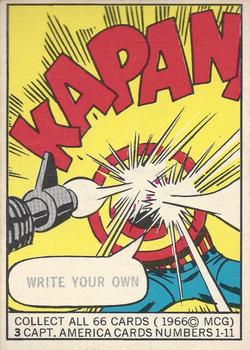 | #03 | Captain America True Rookie First English First Solo First Card | Card |
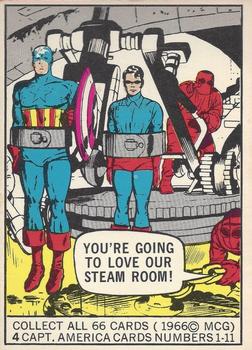 | #04 | Bucky Barnes True Rookie First English First Card Captain America True Rookie First English First Solo First Card | Card |
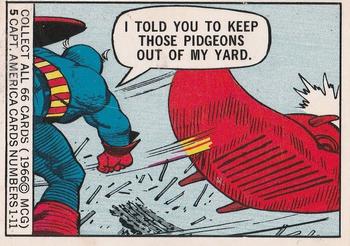 | #05 | Captain America True Rookie First English First Solo First Card | Card |
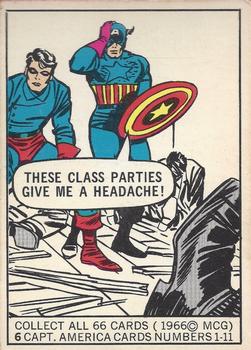 | #06 | Bucky Barnes True Rookie First English First Card Captain America True Rookie First English First Solo First Card | Card |
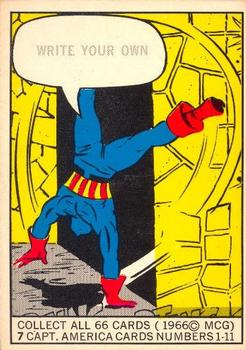 | #07 | Captain America True Rookie First English First Solo First Card | Card |
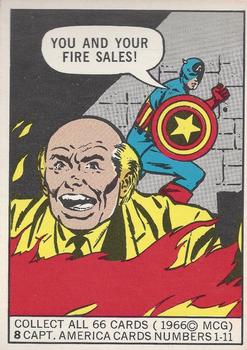 | #08 | Captain America True Rookie First English First Solo First Card | Card |
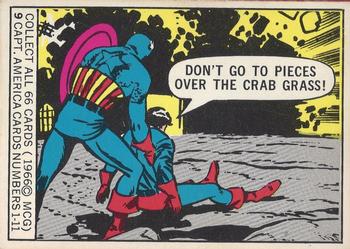 | #09 | Bucky Barnes True Rookie First English First Card Captain America True Rookie First English First Solo First Card | Card |
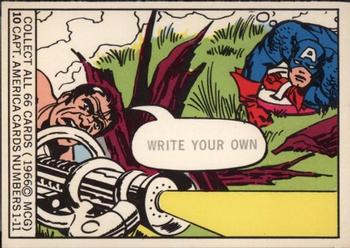 | #10 | Captain America True Rookie First English First Solo First Card | Card |
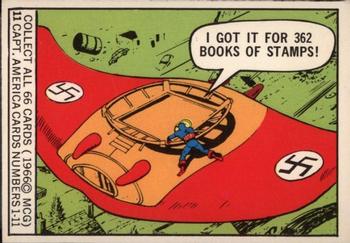 | #11 | Captain America True Rookie First English First Solo First Card | Card |
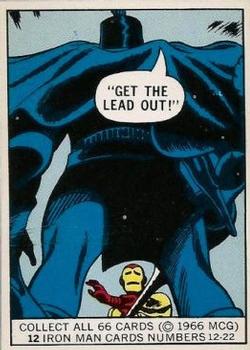 | #12 | Iron Man True Rookie First English First Solo First Card | Card |
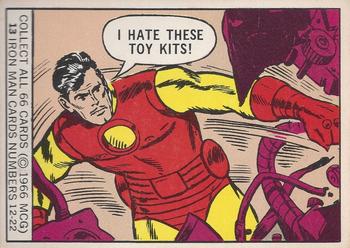 | #13 | Iron Man True Rookie First English First Solo First Card | Card |
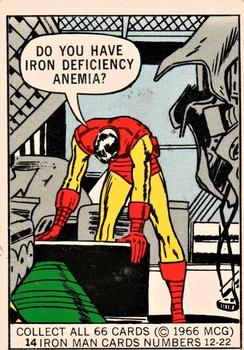 | #14 | Iron Man True Rookie First English First Solo First Card | Card |
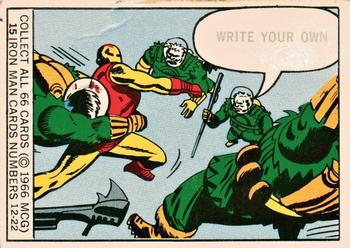 | #15 | Iron Man True Rookie First English First Solo First Card | Card |
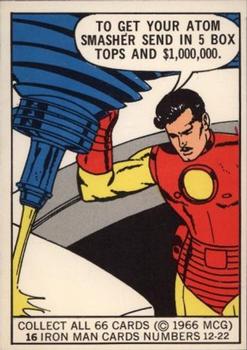 | #16 | Iron Man True Rookie First English First Solo First Card | Card |
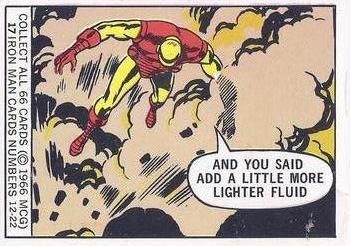 | #17 | Iron Man True Rookie First English First Solo First Card | Card |
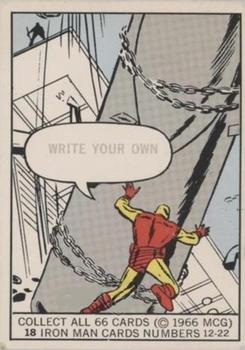 | #18 | Iron Man True Rookie First English First Solo First Card | Card |
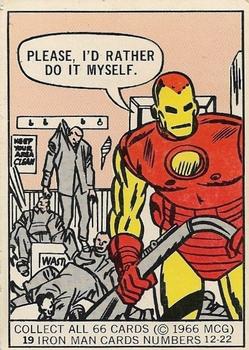 | #19 | Iron Man True Rookie First English First Solo First Card | Card |
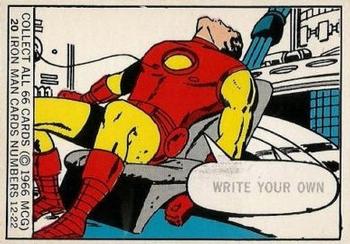 | #20 | Iron Man True Rookie First English First Solo First Card | Card |
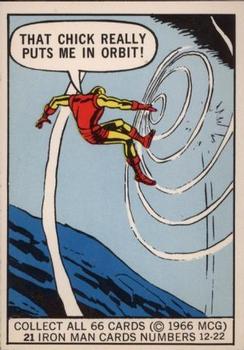 | #21 | Iron Man True Rookie First English First Solo First Card | Card |
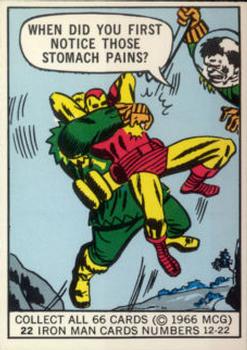 | #22 | Iron Man True Rookie First English First Solo First Card | Card |
 | #23 | Daredevil True Rookie First English First Solo First Card | Card |
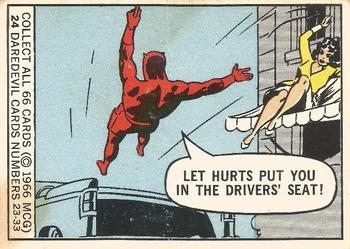 | #24 | Daredevil True Rookie First English First Solo First Card Karen Page True Rookie First English First Card | Card |
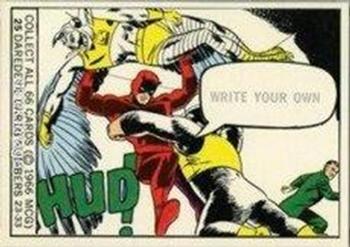 | #25 | Daredevil True Rookie First English First Solo First Card | Card |
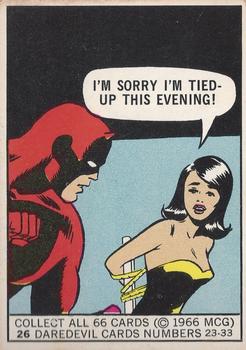 | #26 | Daredevil True Rookie First English First Solo First Card Karen Page True Rookie First English First Card | Card |
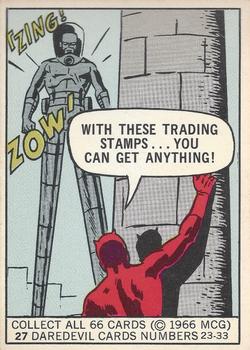 | #27 | Daredevil True Rookie First English First Solo First Card Stilt Man True Rookie First English First Card | Card |
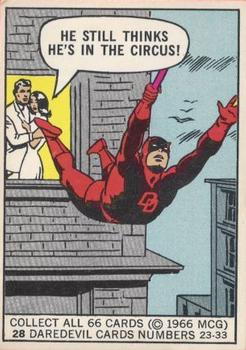 | #28 | Daredevil True Rookie First English First Solo First Card Foggy Nelson True Rookie First English First Card Karen Page True Rookie First English First Card | Card |
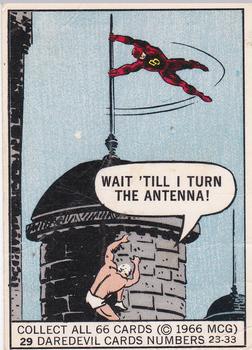 | #29 | Daredevil True Rookie First English First Solo First Card Ka-Zar True Rookie First English First Card | Card |
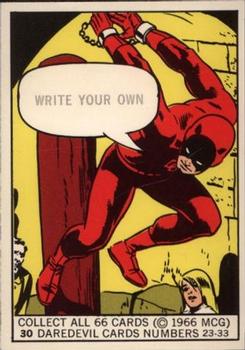 | #30 | Daredevil True Rookie First English First Solo First Card | Card |
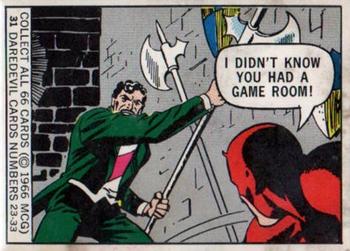 | #31 | Daredevil True Rookie First English First Solo First Card | Card |
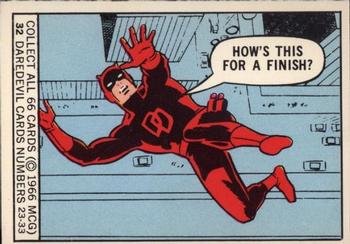 | #32 | Daredevil True Rookie First English First Solo First Card | Card |
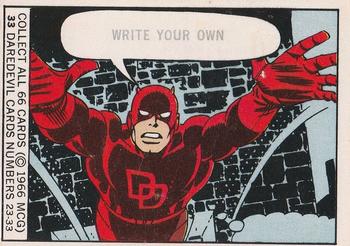 | #33 | Daredevil True Rookie First English First Solo First Card | Card |
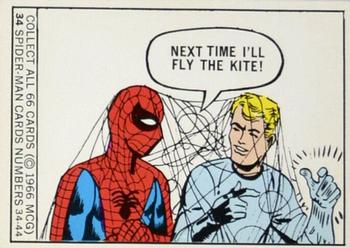 | #34 | Human Torch True Rookie First English First Card Spider-Man True Rookie First English First Card | Card |
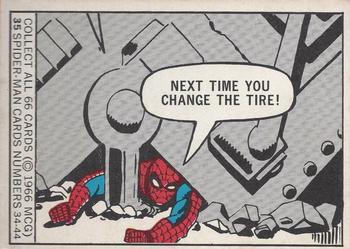 | #35 | Spider-Man True Rookie First English First Card | Card |
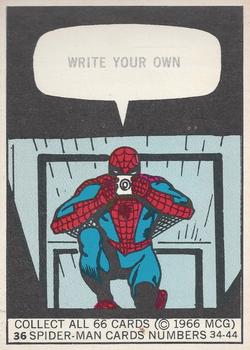 | #36 | Spider-Man True Rookie First English First Card | Card |
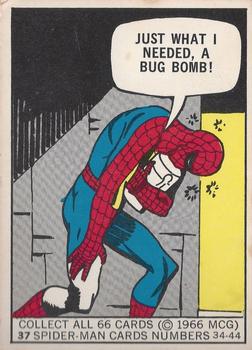 | #37 | Spider-Man True Rookie First English First Card | Card |
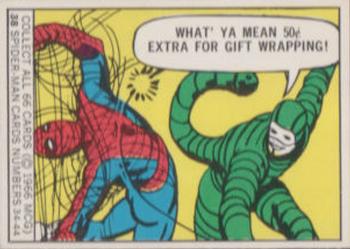 | #38 | Scorpion True Rookie First English First Card Spider-Man True Rookie First English First Card | Card |
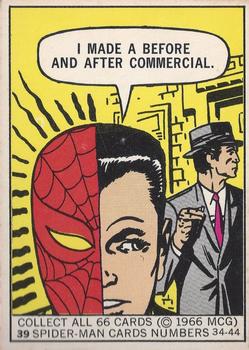 | #39 | Spider-Man True Rookie First English First Card | Card |
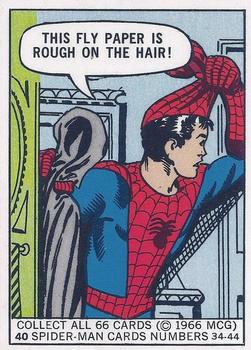 | #40 | Spider-Man True Rookie First English First Card | Card |
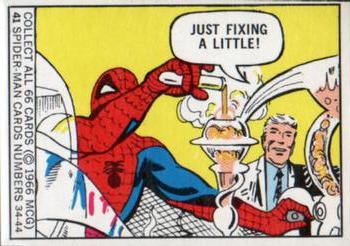 | #41 | Spider-Man True Rookie First English First Card | Card |
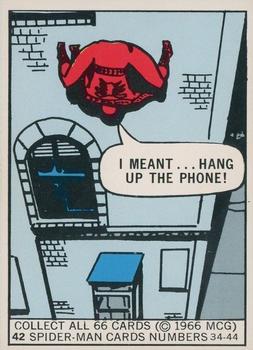 | #42 | Spider-Man True Rookie First English First Card | Card |
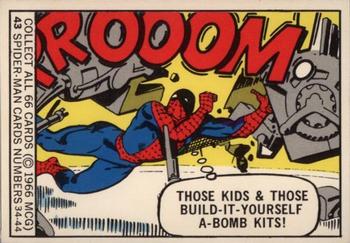 | #43 | Spider-Man True Rookie First English First Card | Card |
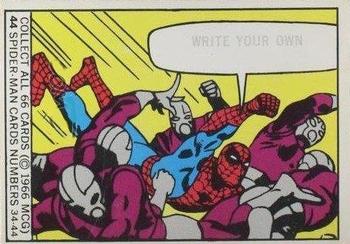 | #44 | Spider-Man True Rookie First English First Card | Card |
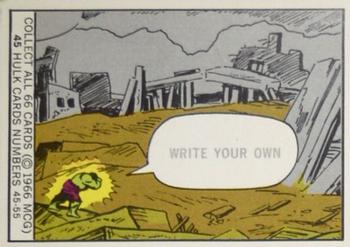 | #45 | Hulk True Rookie First English First Solo First Card | Card |
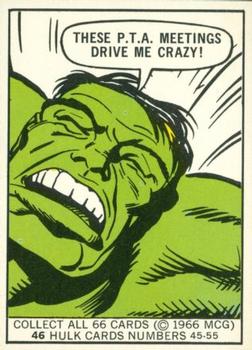 | #46 | Hulk True Rookie First English First Solo First Card | Card |
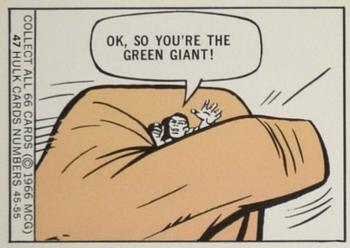 | #47 | Hulk True Rookie First English First Solo First Card | Card |
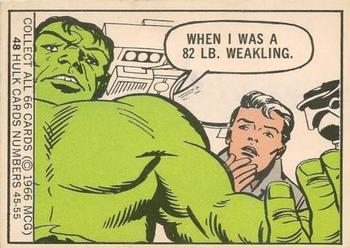 | #48 | Hulk True Rookie First English First Solo First Card | Card |
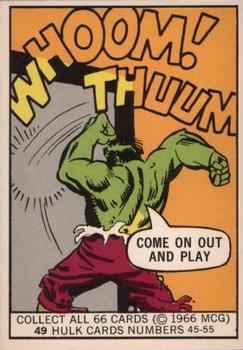 | #49 | Hulk True Rookie First English First Solo First Card | Card |
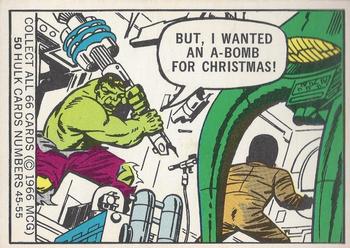 | #50 | Hulk True Rookie First English First Solo First Card | Card |
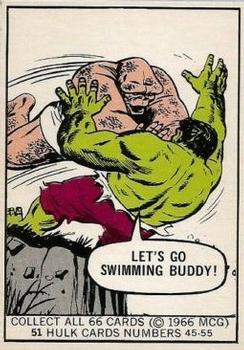 | #51 | Hulk True Rookie First English First Solo First Card The Thing True Rookie First English First Card | Card |
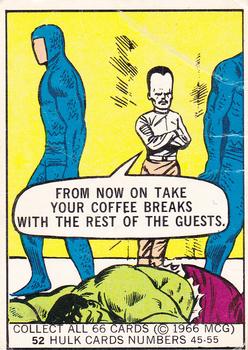 | #52 | Hulk True Rookie First English First Solo First Card | Card |
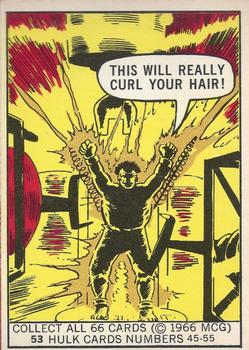 | #53 | Hulk True Rookie First English First Solo First Card | Card |
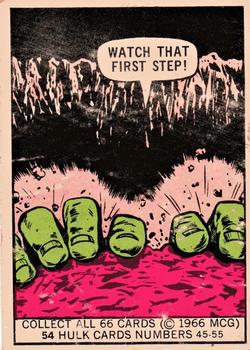 | #54 | Hulk True Rookie First English First Solo First Card | Card |
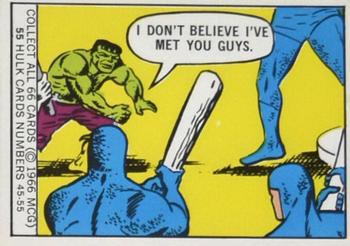 | #55 | Hulk True Rookie First English First Solo First Card | Card |
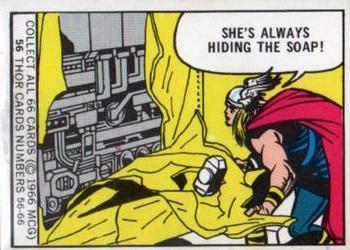 | #56 | Thor True Rookie First English First Solo First Card | Card |
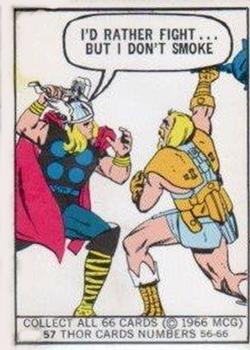 | #57 | Thor True Rookie First English First Solo First Card | Card |
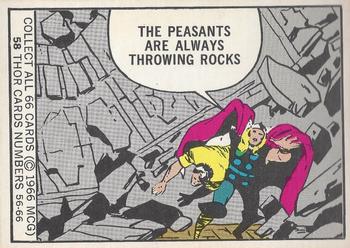 | #58 | Thor True Rookie First English First Solo First Card | Card |
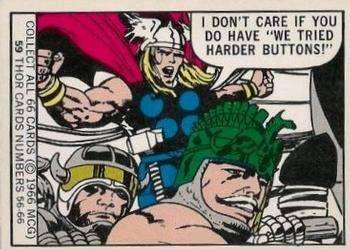 | #59 | Thor True Rookie First English First Solo First Card | Card |
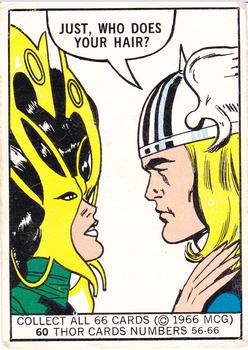 | #60 | Enchantress True Rookie First English First Card Thor True Rookie First English First Solo First Card | Card |
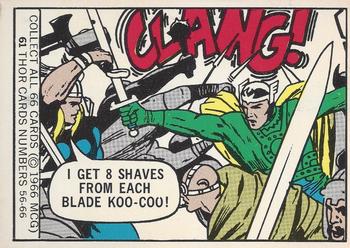 | #61 | Loki True Rookie First English First Card Thor True Rookie First English First Solo First Card | Card |
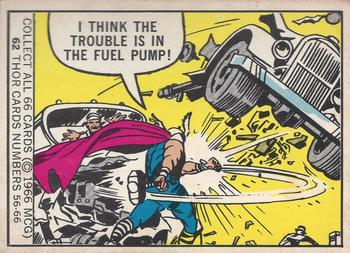 | #62 | Thor True Rookie First English First Solo First Card | Card |
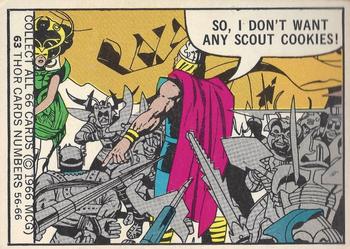 | #63 | Enchantress True Rookie First English First Card Thor True Rookie First English First Solo First Card | Card |
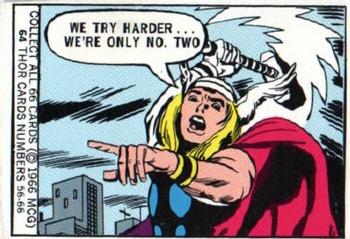 | #64 | Thor True Rookie First English First Solo First Card | Card |
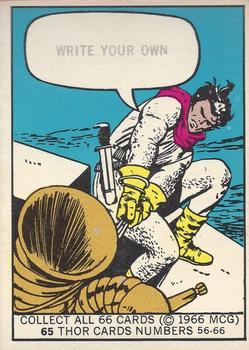 | #65 | Thor True Rookie First English First Solo First Card | Card |
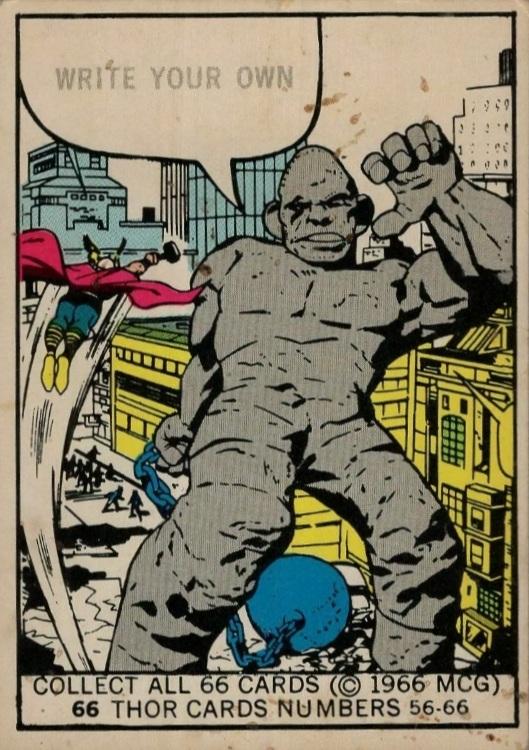 | #66 | Absorbing Man True Rookie First English First Card Thor True Rookie First English First Solo First Card | Card |